Choosing the Right Custom Industrial Fabrication Partner
Reliable custom industrial fabrication partners demonstrate certified welding expertise, code compliance with standards like ASME B31.1/B31.3, API 1104, and AWS D1.2, and proven field experience. West Mountain Welding pairs controlled-environment shop QC with mobile field crews across Utah. The Mountain West, delivering tagged prefab piping. Documented procedures that reduce delays and ensure ready-to-install results.
Key Takeaways
Prioritize fabricator capabilities and reliability over low pricing to ensure project success and quality.
West Mountain Welding, located in Payson, UT, serves industries requiring custom metal fabrication solutions.
Custom metal fabrication creates tailored products for nearly every industry, from equipment to components.
OEM and product developers must evaluate manufacturing partners based on profitability and market readiness impact.
Why Does Your Fabrication Partner Choice Matter?
Project outcomes depend on the fabricator behind the work, not the number on a bid sheet. A rock-bottom quote often hides gaps in quality control, scheduling discipline, or code compliance. Choosing an industrial fabrication partner means prioritizing capabilities and reliability over low pricing to ensure project success.
That choice ripples through every phase of the work. Component performance, delivery timelines, and shutdown schedules all trace back to the fabricator selected at the outset. A dependable industrial fabrication contractor cuts rework, keeps crews moving, and protects the reputation of every contractor and facility owner tied to the project.
What Happens When Project Owners Choose on Price Alone?
Low bids rarely account for certified welding procedures, controlled shop environments, or field mobilization speed. Projects built on price alone risk delays, failed inspections, and costly field corrections. True value comes from custom industrial fabrication completed by a custom industrial fabrication company that can execute drawings accurately the first time.
Which Industries Rely on a Trusted Industrial Fabricator?
Industrial, municipal, and commercial clients across several sectors depend on consistent fabrication quality:
Power generation facilities
Substations and switchyards
Oil and gas production sites
Water and process systems
General manufacturing plants
Each sector carries its own code requirements. Downtime risks turning fabricator selection into a technical decision, not just a procurement one.
West Mountain Welding, headquartered in Payson, UT, serves this full range of applications across Utah and the broader Mountain West. As a custom industrial fabricator, the company positions itself where reliability and code compliance matter most: critical infrastructure that cannot afford downtime or rework. For project managers and EPC contractors, that track record factors into the risk calculus long before a single weld is struck.
What Certifications Should Your Fabricator Hold?
Certified welders working to nationally recognized codes separate a qualified custom industrial fabricator from a shop that simply owns welding equipment. Facility owners who skip this check risk inspections that fail, rework, and costly project delays down the line. Applicable standards vary by project type, and confirming them up front protects both schedule and budget.
For piping systems, welders should hold qualifications under ASME B31.1 or B31.3, along with API 1104 for pipeline work and AWS D1.2 for structural aluminum. These codes govern everything from material selection to weld procedure qualification. An experienced industrial fabrication contractor documents compliance and makes procedures available for review before work begins.
Does code compliance matter more for utility and power projects?
Yes. Utility and power work carries stringent code requirements that go beyond general fabrication standards. Substations, switchyards, and power plant environments demand precision because failures there affect public infrastructure, not just a single component.
What makes aluminum bus welding different from standard fabrication?
Aluminum bus welding for substations requires welders who understand utility-specific code demands, not general shop experience. This specialty work sits at the intersection of electrical infrastructure and welding metallurgy. Certification alone doesn't guarantee competence; practical utility experience does too.
When vetting an industrial fabrication partner, evaluation should extend past price into technical and operational benchmarks:
Current welder certifications tied to the specific code required for the project
Documented procedures available for client review
Track record on utility, power, or pipeline work relevant to the scope
Ability to explain which code applies and why
A custom industrial fabrication company that can answer these questions clearly, without hesitation, signals the kind of accountability plant engineers and EPC teams need for critical infrastructure work.
How Do Shop Capabilities Speed Up Installs?
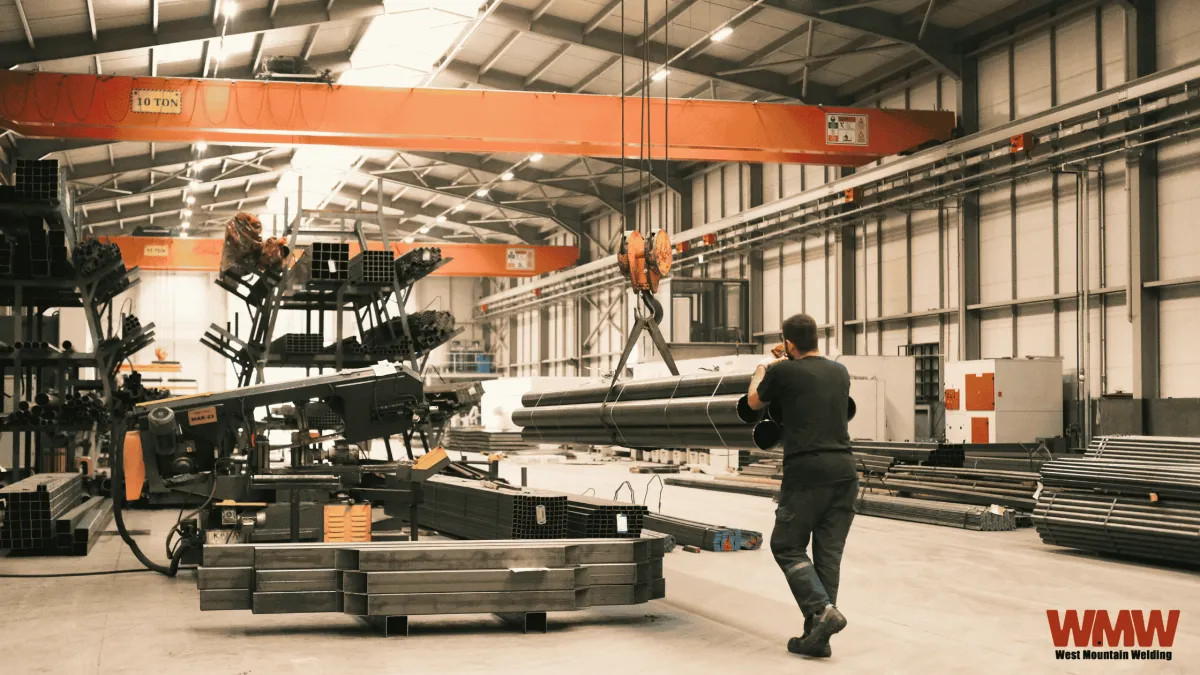
Shop-built systems arrive on job sites ready to install, not ready to be figured out. Controlled fabrication eliminates the guesswork that slows down field crews, cutting hours off every install day. For project managers juggling tight schedules, that difference shows up directly on the critical path.
Prefabricated piping leaves the shop tagged to drawings. Field crews match each spool to its exact placement without hunting for reference sheets. This tagging system removes a common bottleneck: workers standing around interpreting drawings instead of welding. Tight tolerances and clearly labeled spool drawings shrink the time spent onsite even further, which matters most on phased builds, multi-state projects, and jobs that must meet strict code requirements across Utah.
Why does controlled shop fabrication matter for out-of-state jobs?
Shop-controlled environments produce consistent, code-compliant welds regardless of where the finished system ends up. Because fabrication happens under stable conditions rather than variable field weather, a custom industrial fabricator can ship completed piping systems to job sites outside Utah without sacrificing quality. Combining shop work with field welding crews gives project teams flexibility that pure field-only contractors cannot match.
What does disciplined QC actually prevent?
Quality control catches problems before they reach the site, not after. Disciplined inspection processes translate into fewer delays and cleaner, ready-to-install outcomes for the field team.
Facility owners and EPC contractors weighing an industrial fabrication partner should look for these shop-driven advantages:
Spool labeling that maps directly to install drawings
Tight-tolerance cuts and welds that fit the first time
Quality checks performed before shipment, not discovered onsite
Mobile crews ready to pick up field welding once prefab arrives
Choosing a custom industrial fabrication company built around these habits keeps installs moving instead of stalling on avoidable rework.
What Field Service Support Should You Expect?
Reliable field service means mobile crews ready for installation, repairs, shutdowns, and emergency response, not just shop work with a truck attached. Facility owners and EPC contractors lose schedule days when a fabricator can only handle bench work. Leaves site problems to someone else. A true industrial fabrication partner shows up prepared for whatever the site throws at it.
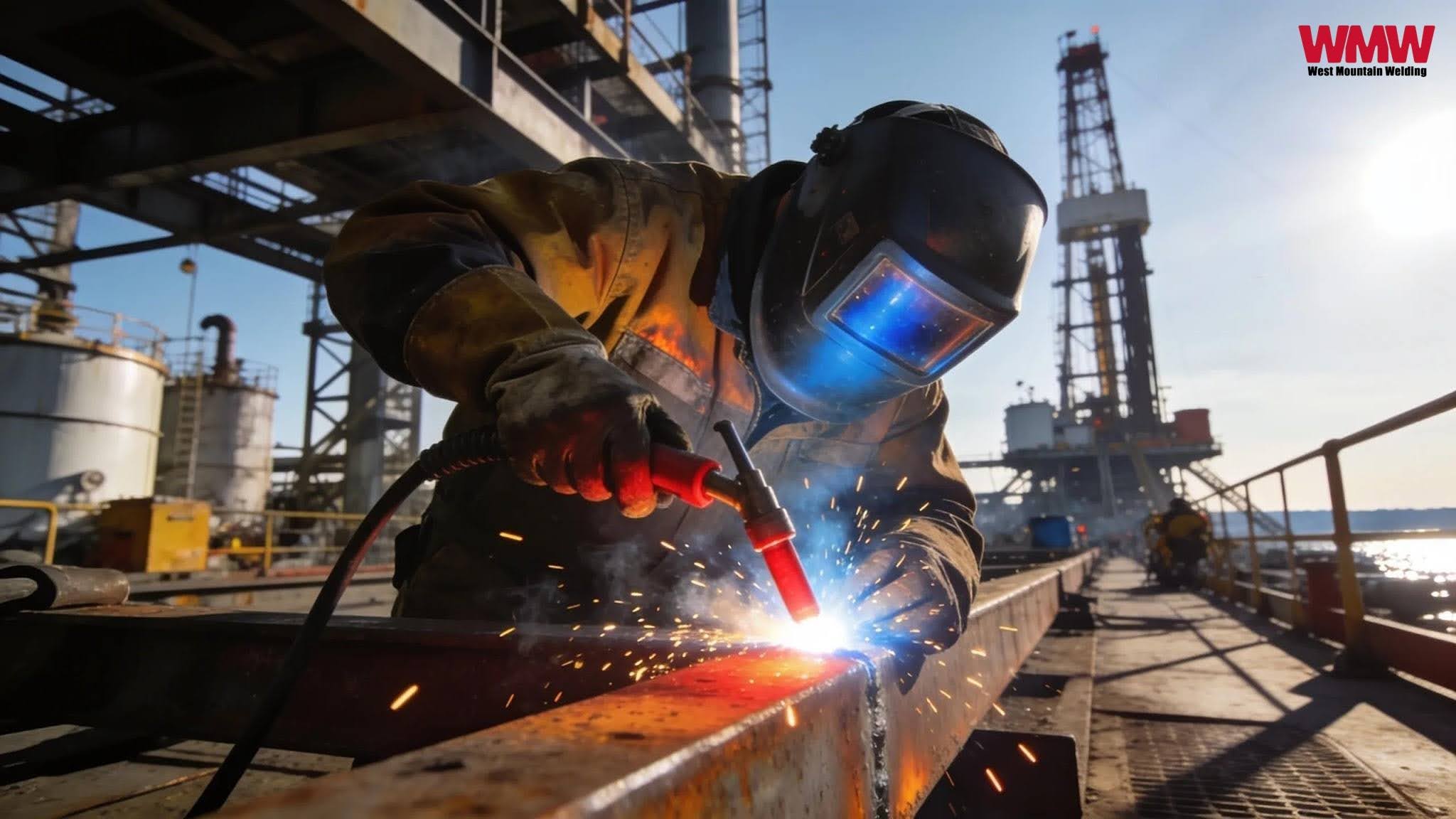
Project scope varies widely across the Mountain West, and support needs shift accordingly. Engagements should span the full lifecycle: new builds, retrofits, planned outage support, and urgent repairs that can't wait for a normal quote cycle. A contractor built only for one type of job creates gaps exactly when facilities can least afford them.
Can a fabricator work alongside my existing contractors?
Yes, a capable industrial fabrication contractor integrates into existing project teams rather than demanding sole control. That means slotting in beside general and specialty contractors on active job sites. Working directly with utilities and facility owners when no general contractor is involved. Flexibility here protects project timelines and chains of command.
Does a bigger shop mean better field support?
Not necessarily. Facility size doesn't determine capability, and bigger doesn't always mean better. What matters is whether crews arrive equipped, certified, and ready to solve the actual problem in front of them.
Before signing on with any custom industrial fabrication company, project managers should confirm field readiness directly. Useful questions include:
Can crews mobilize for emergency repairs, not just scheduled installs?
Does support cover full outage windows, or only standard business hours?
Will the same team integrate with contractors already on-site?
A custom industrial fabricator that answers these clearly, with specifics rather than vague assurances, is one worth trusting with critical infrastructure work.
How Do You Judge Communication And Reliability?
Response time and process clarity reveal more about a fabricator than any sales pitch. Delivery consistency, not promises, separates a dependable industrial fabrication contractor from one that causes costly delays. Facility owners and EPC teams lose schedule days when a shop goes quiet mid-project. Communication habits deserve scrutiny before a contract is signed.
A reliable industrial fabrication partner should demonstrate a defined project workflow from the first conversation. Drawings and specifications get reviewed early, followed by an accurate quote and a defined timeline. That sequence gives project managers a benchmark for measuring whether a shop actually follows through.
What Should a Reliable Fabrication Process Look Like?
Efficient, responsive processes matter as much as welding skill. A dependable custom industrial fabrication company keeps clients informed at each stage rather than leaving them to chase updates. The goal stays consistent: getting the job done right the first time, without rework or missed deadlines.
Why Does the Fabricator Relationship Affect Long-Term Performance?
The partnership formed with a custom industrial fabricator shapes outcomes well beyond the initial build. This relationship influences component performance and how consistently orders arrive on schedule. Facility owners evaluating a custom industrial fabrication provider should weigh:
Speed and clarity of quote turnaround
Transparency about timelines and potential delays
Consistency of communication across shop and field teams
Reliability compounds over multiple projects, making early impressions worth close attention.
Selecting the right custom industrial fabrication partner means choosing a team that combines technical expertise with genuine accountability. West Mountain Welding brings certified capabilities, field-proven processes, and a commitment to delivering work that installs clean and performs reliably. When your project demands precision, code compliance, and partners who prioritize your timeline, the choice becomes clear: work with fabricators who understand that quality and dependability aren't negotiable.
FAQ
Why does choosing the right fabrication partner matter more than price?
Project outcomes trace directly back to the fabricator's capabilities and reliability. Low bids often hide gaps in quality control, scheduling discipline, and code compliance, leading to rework and delays.
What certifications should a custom industrial fabrication partner hold?
Welders should hold qualifications under ASME B31.1 or B31.3 for piping systems, along with standards like API 1104 and AWS D1.2. Certified welders working to nationally recognized codes separate qualified fabricators from shops that simply own equipment.
What does West Mountain Welding offer as a fabrication partner?
Headquartered in Payson, UT, West Mountain Welding pairs controlled-environment shop QC with mobile field crews across Utah and the Mountain West. It delivers tagged prefab piping and documented procedures for ready-to-install results.
How should I evaluate an industrial fabrication company?
Check its certifications, relevant experience, quality control, field capabilities, and ability to meet project deadlines.
Can a fabricator handle both shop and field work?
Yes. A qualified fabricator can provide controlled shop fabrication along with onsite installation, repairs, and field welding support.