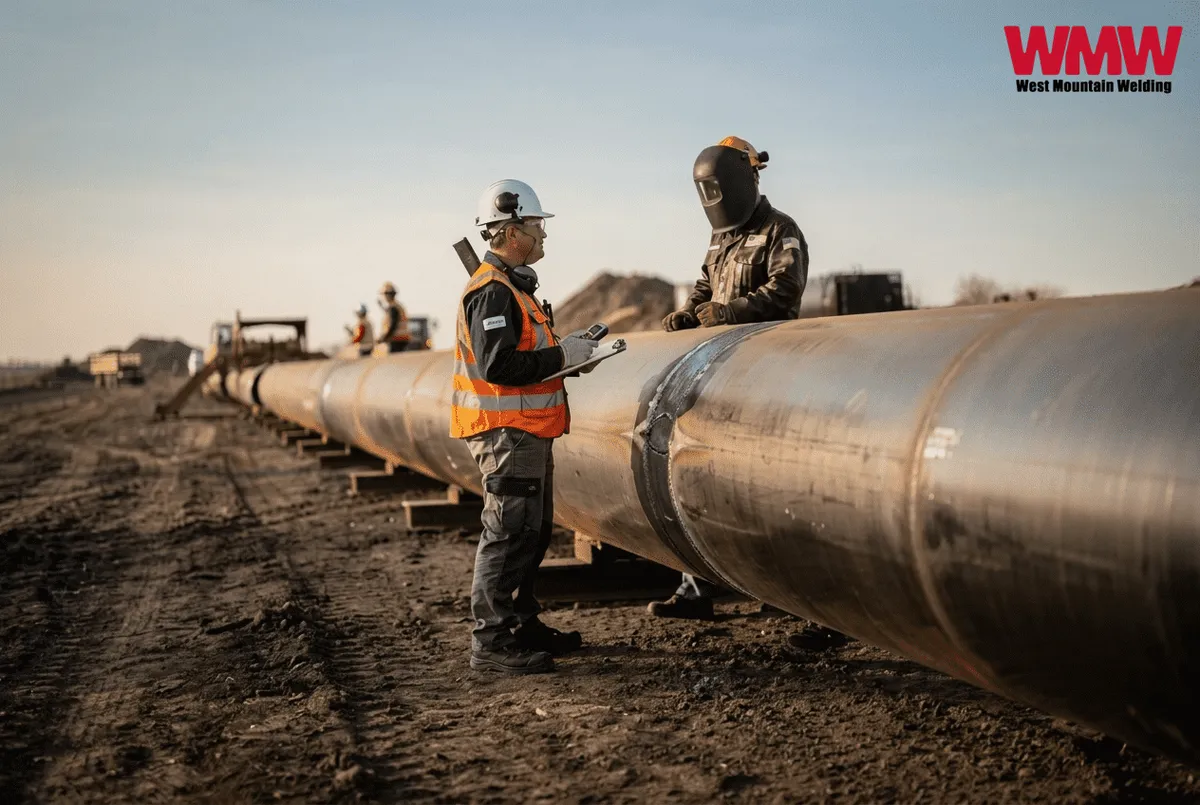
Why API 1104 Certification Matters When Hiring a Pipeline Welder
API 1104 certification confirms that welding procedures and individual welders have been qualified according to requirements established by the American Petroleum Institute. For EPC managers, utility engineers, facility owners, and procurement teams, that qualification provides an important baseline when hiring a pipeline welding contractor.
Pipeline welding involves pressurized systems that may transport petroleum, natural gas, and other products. A weld that does not meet the required standard can lead to failed inspections, costly repairs, project delays, or serious operational problems. Understanding API 1104 and knowing what documentation to verify can help hiring teams select a contractor prepared for the demands of pipeline work.
Key Takeaways
API 1104 establishes requirements for welding pipelines and related facilities.
An API 1104 qualified welder has passed a specific procedure-based qualification test.
A contractor's welding program and an individual welder's qualification are separate requirements that should both be verified.
A current welder qualification should match the Welding Procedure Specification (WPS) used for the project.
Consider documentation, inspection practices, and comparable project experience before hiring a pipeline welding contractor.
West Mountain Welding builds welding qualification and project documentation into pipeline work from Payson, UT.
What Is API 1104 Certification and What Does It Cover?
API 1104, titled Welding of Pipelines and Related Facilities, establishes requirements for welding procedures, welder qualification, inspection, and acceptance criteria on pipeline systems. It applies specifically to pipeline welding, not general structural or shop fabrication.
For a hiring team, this matters. Pipeline welds often operate under demanding conditions, including pressure, remote environments, and strict inspection requirements. API 1104 provides a documented framework showing that procedures and personnel are properly qualified.
That qualification process also creates a record reviewable throughout the project, including procedure and welder qualification records, Welding Procedure Specifications, and inspection reports.
Maintaining those records matters when owners, inspectors, or auditors need to verify qualifications. A contractor should explain which procedures are in use and which welders are qualified.
Why Pipeline Work Requires a Specialized Welding Standard
Pipeline welding is different from many types of general fabrication. Welders may work on long-distance pipeline systems, in remote locations, or under conditions that require strict control of welding parameters and inspection procedures.
The welding process needs to remain consistent from one joint to the next. Variables such as joint configuration, filler metal, preheat, welding technique, and other procedure requirements can affect the finished weld.
This is why hiring a contractor based only on general welding experience may not provide enough information. The contractor should also demonstrate experience working under the applicable pipeline welding procedures and documentation requirements.
For readers evaluating oil and gas welding capabilities, understanding the different welding techniques in the oil and gas industry can also provide useful context when comparing contractors and their field experience.
The Qualification Test Behind an API 1104 Certificate
An API 1104 welder qualification test demonstrates that an individual can produce an acceptable weld under specified conditions. It is not simply a general test of whether someone can operate welding equipment.
The qualification is tied to the welding procedure and the conditions under which the test is performed. The applicable WPS identifies important variables such as joint design, materials, filler metal, preheat requirements, and welding technique.
The purpose is to establish that the welder can consistently produce welds that meet the applicable acceptance criteria.
What Inspectors Check During Testing
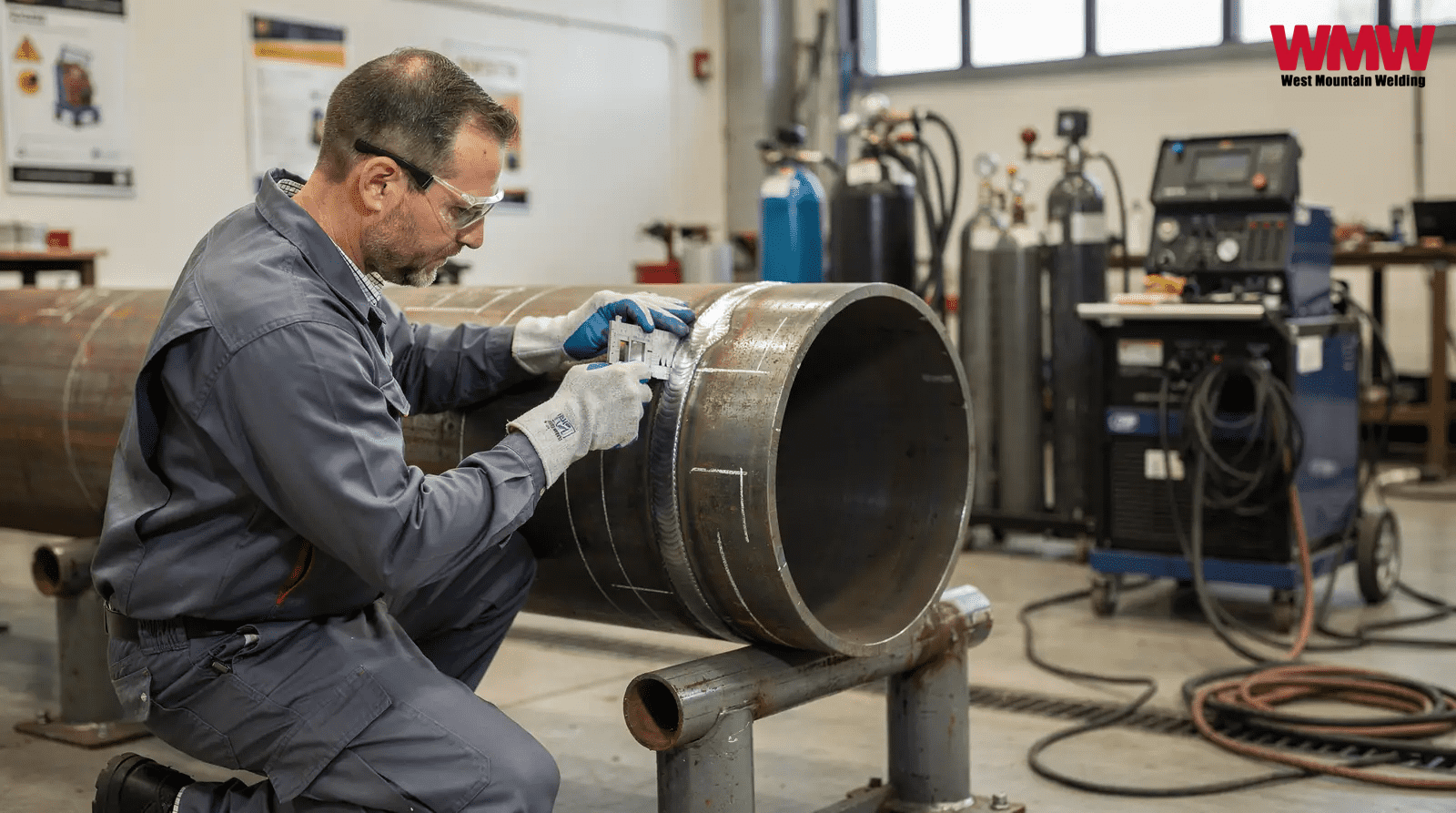
Test welds may undergo visual examination and applicable destructive or nondestructive testing to identify defects and determine whether the weld meets the requirements of the applicable standard.
Consistency is particularly important in pipeline work. Producing one acceptable weld does not demonstrate the same capability as repeatedly producing compliant welds under controlled procedure requirements.
Once production welding begins, inspection and documentation continue to play an important role. A useful resource for understanding the inspection side of pipeline work is this pipe welding inspection checklist.
API Certification vs. an API 1104 Qualified Welder
The terms "API certification" and "API 1104 certified welder" are sometimes used interchangeably, but they can refer to different aspects of a contractor's qualification and welding program.
An individual welder's qualification demonstrates that the person has completed the applicable welding qualification test. A contractor's broader quality system, procedures, documentation, and project controls address how welding work is managed across a project.
For that reason, hiring teams should not rely on a single certificate as proof that every aspect of a contractor's welding program is appropriate for the project.
The contractor should be able to identify the qualified welders assigned to the work and provide the applicable procedure documentation. The hiring team can then verify that the personnel, procedures, materials, and inspection requirements align with the project's specifications.
What to Verify Before Hiring a Pipeline Welder
Before signing a pipeline welding contract, review more than the contractor's general claims about certification. Documentation, applicable welding procedures, inspection practices, and comparable project experience can all provide useful information about the contractor's readiness.
Documentation That Demonstrates Welder Qualification
Ask to review the applicable welder qualification documentation and the Welding Procedure Specification associated with the work.
Important information to verify may include:
Welder identification and qualification records
Applicable welding procedure or WPS
Qualification date and applicable variables
Procedure qualification documentation where required
Inspection and testing records
Evidence that required documentation is maintained throughout the project
The exact documentation requirements will depend on the project specifications, applicable codes, owner requirements, and scope of work.
Field Practices Worth Confirming
Certification provides evidence of qualification, but it does not describe every aspect of how a contractor manages a job site.
During the hiring process, ask how the contractor handles:
Prefabricated piping and component identification
Spool drawings and piping tags
Material tracking
Welding documentation
Inspection coordination
Field installation and repair procedures
Code and project-specification compliance
For projects involving significant shop fabrication, a contractor's broader fabrication capabilities can also matter. Custom industrial fabrication can help reduce the amount of fabrication required in the field while providing greater control over certain production processes.
A contractor that treats documentation and quality control as part of the entire workflow is better positioned to maintain consistency from fabrication through installation and final inspection.
How West Mountain Welding Approaches Pipeline Welding Compliance
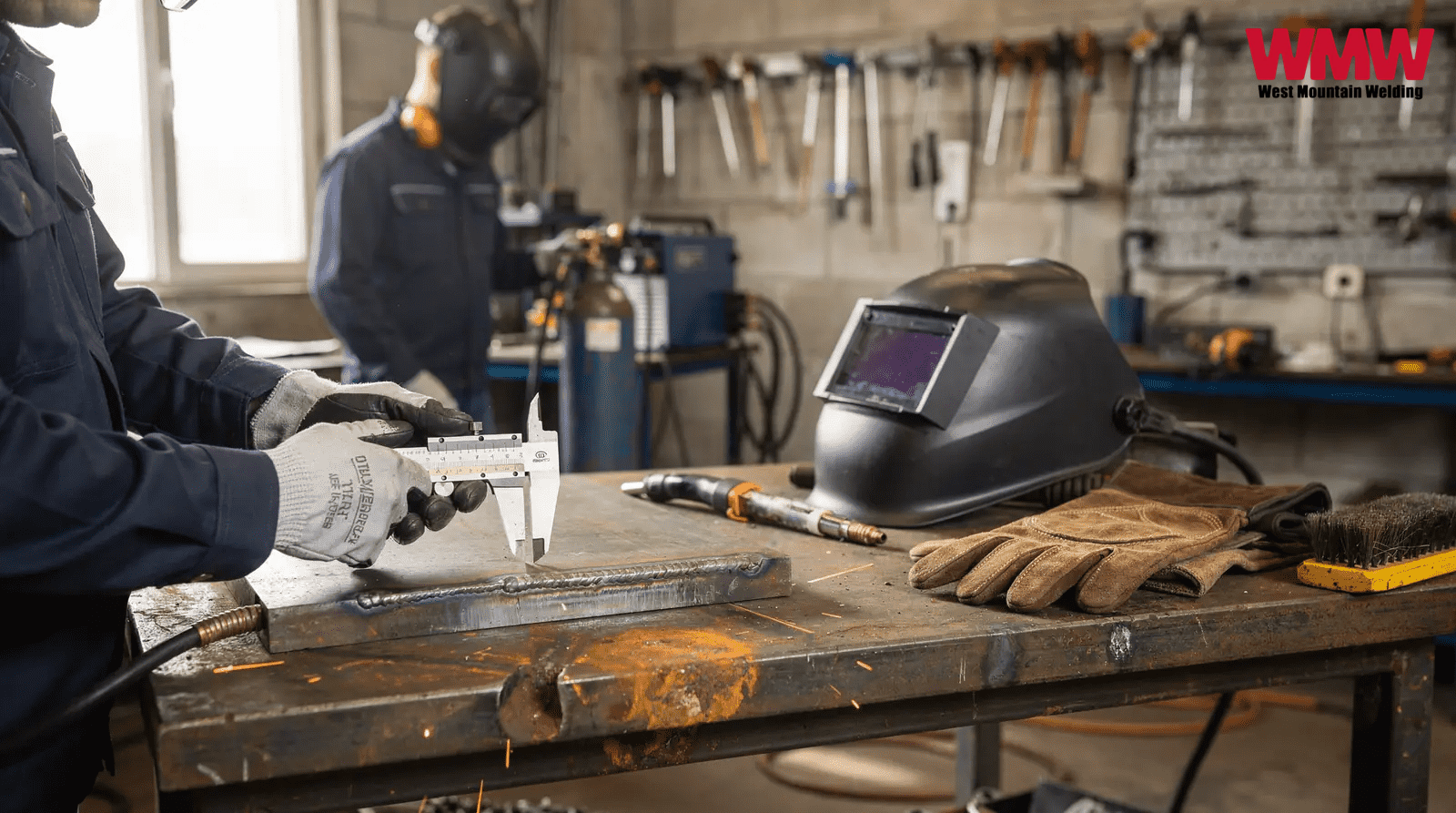
West Mountain Welding provides welding and fabrication services for industrial, utility, oil and gas, and other demanding applications from its Payson, UT operation, including pipeline welding, prefabricated piping, and utility and substation work. The company treats qualification and documentation as part of the project process, not an isolated credential.
For hiring teams, that distinction matters. The right question isn't just "Is the welder certified?" A complete review considers the applicable welding procedure, individual qualifications, inspection requirements, documentation, and comparable experience.
Pipeline welding also requires specialized training and field experience; see how to become an oil rig welder for more on the profession.
API 1104 sets an important baseline, but it should be weighed alongside a contractor's full compliance practices.
FAQ
1. What is API 1104 certification?
API 1104 is the American Petroleum Institute standard titled Welding of Pipelines and Related Facilities. It covers requirements related to welding procedures, welder qualification, inspection, and acceptance criteria for pipeline and related facility welding.
2. Is API certification the same as an API 1104 qualified welder?
No. An individual welder's API 1104 qualification demonstrates that the welder has passed a specific qualification test under defined conditions. A contractor's broader welding program and project documentation address how welding work is controlled and managed.
3. What does an API 1104 qualification test measure?
It demonstrates whether a welder can consistently produce an acceptable weld under the specified qualification conditions and applicable welding procedure. It is more specific than a general assessment of welding ability.
4. How can I verify an API 1104 welding qualification?
Request the applicable welder qualification record and review it alongside the Welding Procedure Specification and project requirements. Check the welder's identification, qualification variables, dates, and other information required by the applicable project or governing standard.
5. Does API 1104 apply outside of pipelines?
API 1104 is specifically written for welding pipelines and related facilities. Some of the same welding controls, documentation practices, and inspection principles may also be relevant to other industrial and utility applications, depending on the applicable project requirements.