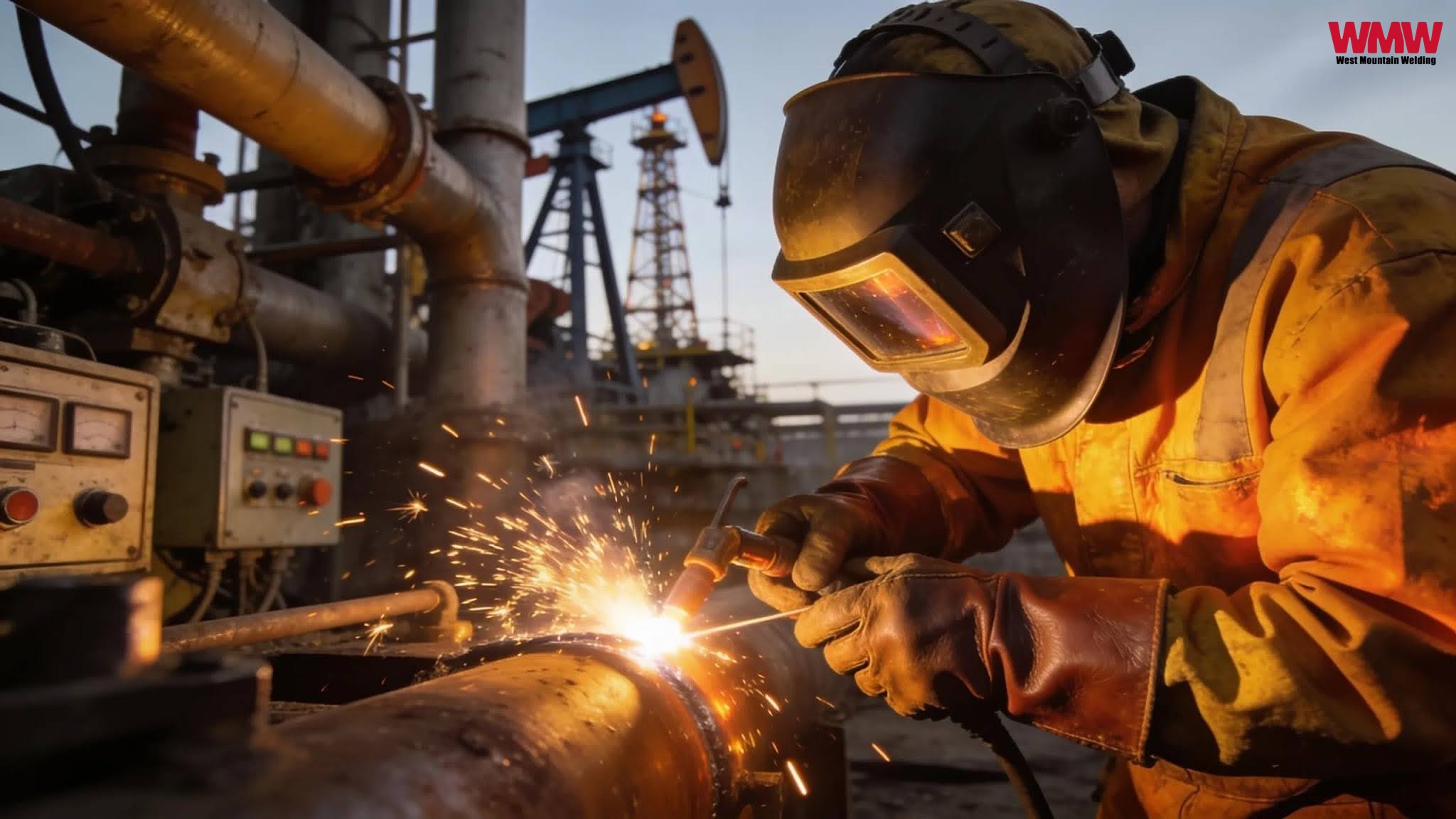
How to Become an Oil Rig Welder? Skills You Need to Succeed
An oil rig welder is a specialized tradesperson who fabricates, repairs, and inspects metal components on drilling platforms and pipeline systems. Becoming one takes welding school or apprenticeship training, certifications such as API and ASME, and proven skill in MIG, TIG, and stick welding. Pay typically runs $20 to $50+ per hour based on experience and certification level.
Key Takeaways
Rig welders need multi-process skills. MIG, TIG, stick, and flux-cored arc welding all come into play depending on the job and the metal involved.
Certifications open doors. Welder Performance Qualification, API, and ASME credentials are typically required if you want steady oil and gas welding work.
Training paths combine classroom and hands-on work. Vocational programs and apprenticeships both build the foundation employers look for.
Safety compliance is non-negotiable. OSHA regulations and site-specific protocols protect welders working in high-risk environments.
Soft skills matter as much as technique. Communication and teamwork keep multi-trade rig projects running smoothly.
The job market stays competitive. Demand for skilled welders remains steady as energy infrastructure ages and expands.
Pay scales with credentials. Welding salary on oil rigs varies widely, and certifications are one of the biggest factors in moving up the pay scale.
Quality control knowledge sets you apart. Welders who can inspect and self-certify their own work are more valuable to employers.
An oil rig welder builds and repairs the metal structures, piping, and equipment that keep drilling platforms running safely. The role combines technical welding ability with strict adherence to safety codes and industry standards.
This guide breaks down what rig welders do, the skills and certifications you need, and what to expect from salary and job prospects, plus how West Mountain Welding can support your training and career growth.
What Is a Rig Welder?
A rig welder, sometimes called an oil rig welder or oilfield welder, is a tradesperson who performs welding and metal fabrication work tied to oil and gas extraction. The job covers structural welding on platforms, pressure pipe welding, and repair work on drilling equipment. Rig welders work in some of the more demanding conditions in the trade, since the welds they produce often need to hold under pressure, vibration, and exposure to the elements.
The term covers a few related roles. Some welders work primarily on offshore platforms, others on onshore rigs and pipeline systems, and still others split time between fabrication shops and field sites. If you are exploring "what is a rig welder" as a career question, the short version is this: it is a high-skill, high-responsibility welding specialty built around oil and gas infrastructure rather than general construction or manufacturing work.
Rig welders are sometimes grouped under the broader category of oilfield welders or pipeline welders, depending on whether their work centers on platform structures, gathering lines, or transmission pipelines. The distinctions matter for training focus: a welder targeting offshore platform work will lean more heavily on structural and overhead welding techniques, while a pipeline-focused welder will spend more time mastering root-pass pipe joints and X-ray-quality welds.
What Rig Welders Do
Understanding what rig welders do day-to-day helps clarify whether the career is the right fit before you invest in training.
Structural Welding
Joining steel beams, supports, and platform components that need to meet strict load-bearing standards.
Pipe Welding
Producing pressure-rated welds on pipelines and process piping, often using root-pass techniques like GTAW.
Equipment Repair
Restoring worn or damaged drilling and processing equipment without taking it fully out of service longer than necessary.
Inspection Support
Checking completed welds for defects before sign-off, since flawed welds on a rig can create serious safety risks.
Documentation
Recording weld procedures and qualifications to satisfy code requirements and client audits.
This mix of fabrication, repair, and quality verification is why oil rig welding is considered a specialized trade rather than an entry-level welding job.
Essential Skills Required
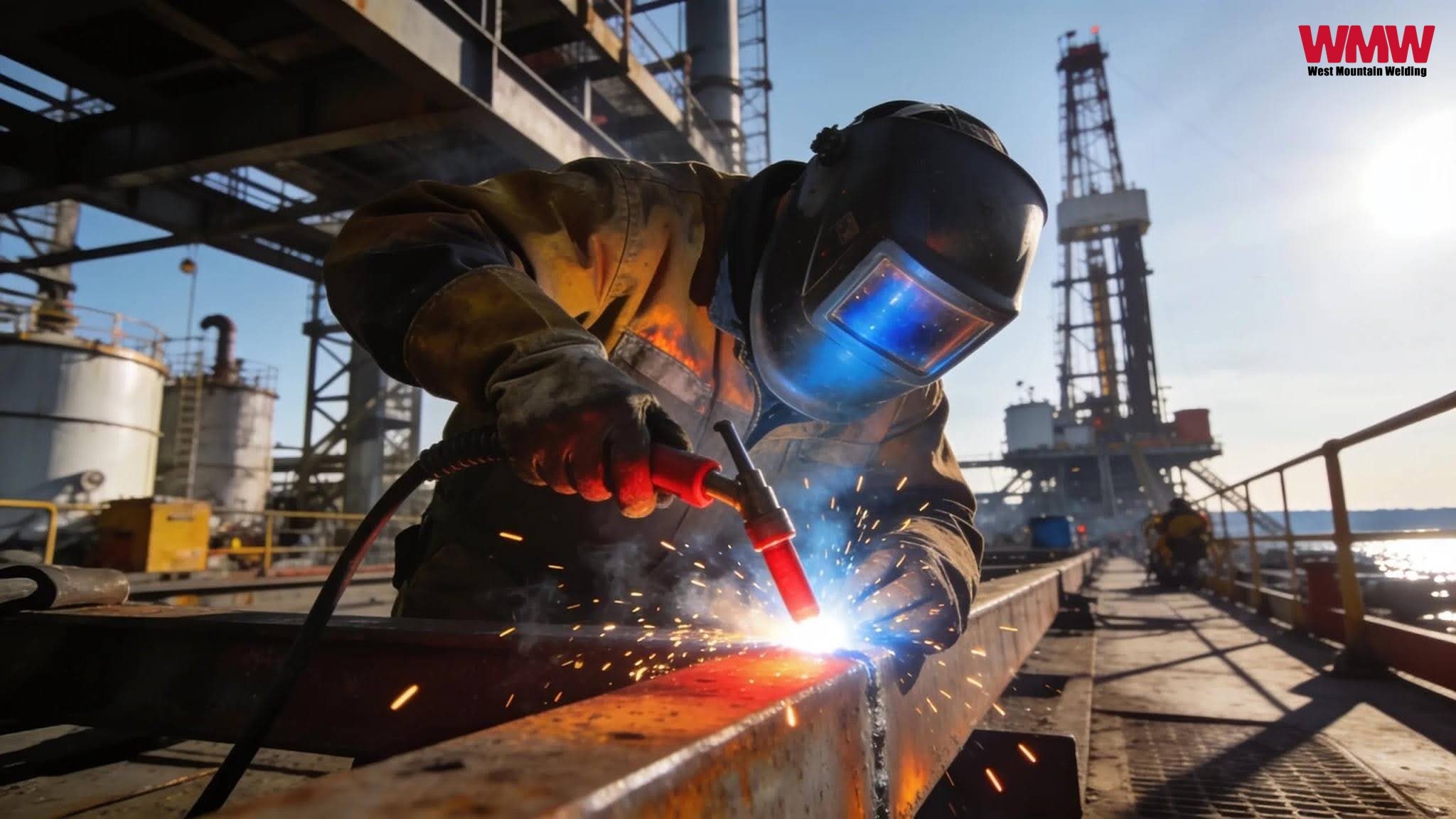
Success on an oil rig depends on a mix of technical competence and practical problem-solving. The following skills form the foundation for safe, code-compliant welding in challenging conditions.
Proficiency in multiple welding methods. Understanding MIG, TIG, and stick welding is fundamental, since each method suits different metals, thicknesses, and rig applications. Many oilfield welders also need flux-cored arc welding and submerged arc welding experience for heavier structural work.
Familiarity with welding standards. Knowledge of American Welding Society (AWS) guidelines and related codes ensures welds are performed safely and consistently. Familiarity with these standards keeps your work compliant and audit-ready.
Quality control and inspection knowledge. Welders need to evaluate their own work against visual and procedural standards before any structure or pipeline section goes back into service. This self-checking habit reduces rework and keeps projects on schedule.
Physical stamina and adaptability. Rig environments mean working in tight spaces, at height, or in extreme weather, so physical conditioning and the ability to adjust technique on the fly matter as much as raw welding skill.
Mastery of these skills lets welders meet technical challenges and produce consistent, inspectable welds under demanding rig conditions.
Necessary Certifications
Employers require certifications that confirm a welder's competence and adherence to safety protocols. These credentials validate practical ability and code knowledge required for rig work.
Welder Performance Qualification (WPQ). This certification demonstrates a welder's ability to produce welds that meet a specific code or standard under tested conditions.
API and ASME certifications. Projects governed by American Petroleum Institute or American Society of Mechanical Engineers standards typically require welders certified under those specific codes.
Welding Procedure Specification (WPS) qualification. This documents that a welder can follow a detailed, pre-approved procedure for a given joint, material, and process combination, which is essential for repeatable, code-compliant results.
Earning these certifications improves employability and shows employers you can produce code-compliant, repeatable welds in industrial settings, not just in a classroom.
How to Become an Oil Rig Welder: Step-by-Step
If you are wondering how to become an oil rig welder, the path generally follows three stages: education, hands-on experience, and certification.
Complete welding education and training. Enroll in a welding program through a vocational school or community college, ideally one offering coursework focused on pipeline and structural welding for the oil and gas industry.
Gain experience through an apprenticeship. Working alongside experienced welders gives you mentorship and exposure to real rig conditions that classroom training cannot fully replicate.
Earn the certifications employers require. After your education and apprenticeship hours, pursue WPQ, API, or ASME certification, depending on the type of rig work you want to do.
Build a documented work history. Keep records of completed projects, weld logs, and inspection results, since employers often want proof of consistent, code-compliant output before hiring for rig assignments.
Stay current on codes and safety training. Codes and safety requirements are updated periodically, so refresher courses keep your credentials and skills current.
Following these steps builds a verifiable record of training, on-the-job experience, and certifications that hiring managers trust.
Safety Standards and Regulations
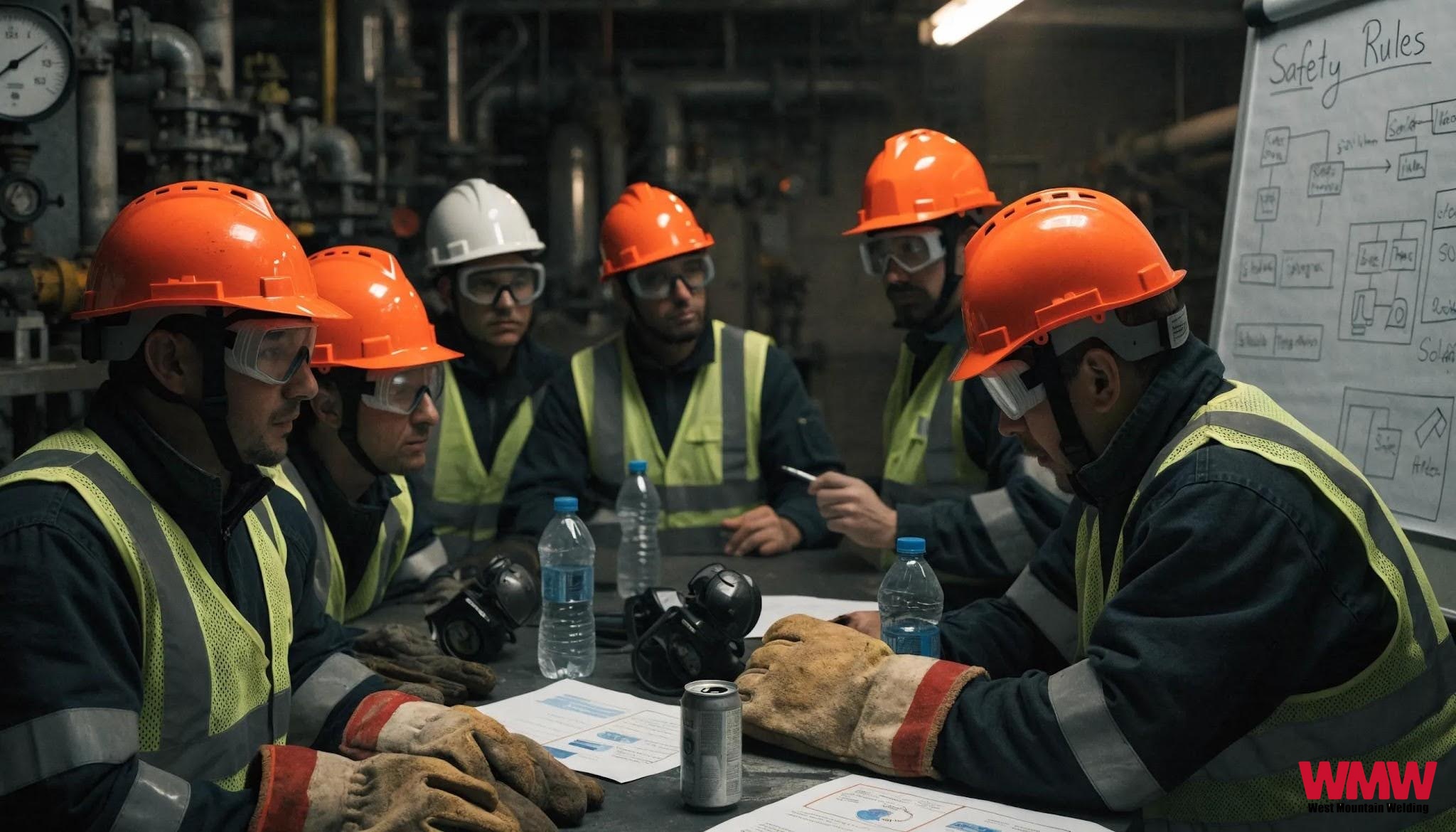
Rig welding happens in high-risk settings, so compliance with formal safety standards and site protocols is essential to protect workers and operations.
OSHA Regulations
The Occupational Safety and Health Administration provides guidelines that protect workers from hazards tied to welding, confined spaces, and elevated work.
Welding Codes and Standards
Understanding the codes that apply to a given project, including structural, pressure piping, and specialty alloy work, ensures welds meet or exceed required safety thresholds.
On-site Safety Protocols
Specific protocols for rig environments include using appropriate personal protective equipment, following fire-watch procedures during hot work, and knowing emergency evacuation plans before a shift begins.
Adhering to these regulations reduces incidents and helps keep operations running continuously and accountably on site.
Oil Rig Welder Salary and Job Outlook
Welders' salaries on oil rigs depend heavily on experience, certification level, and the complexity of the work involved.
Current job market trends. Demand for skilled welders stays steady as energy infrastructure ages, and new extraction and pipeline projects come online, creating an ongoing need for qualified rig welders and pipeline welders alike.
Typical pay ranges. Oil rig welder pay generally falls between $20 and $50 per hour, with the higher end of that range reserved for welders holding advanced certifications and specialized process experience like GTAW root-pass work.
Benefits beyond base pay. Many employers offer health insurance, retirement contributions, and ongoing training support to retain certified welders, since turnover in this specialty is costly to replace.
Use these insights to prioritize the certifications and experience that most directly improve your hireability and earning potential. Welders who pair certifications with documented field hours on structural or pipeline projects tend to move into senior or specialist roles faster than those with classroom training alone.
How West Mountain Welding Supports Your Oil Rig Welding Career
West Mountain Welding offers practical fabrication work, hands-on training, and industry connections that help welders build relevant skills and credentials.
Custom metal fabrication services. Hands-on exposure to structural and pipe welding projects builds the practical skills that translate directly to rig work.
Training and mentorship opportunities. Programs aimed at developing new welders emphasize real-world technique over classroom theory alone.
Industry connections. Working within an established industrial welding network can help welders find opportunities and build the professional relationships that lead to steady rig and pipeline work.
Engaging with these services can strengthen your portfolio, expand your practical experience, and improve access to oil and gas welding opportunities.
Conclusion
A career as an oil rig welder offers strong job stability, competitive pay, and a clear path for advancement when you combine proven skills with the right certifications. Focus on measurable training, documented experience, and code compliance to stand out from other candidates.
Explore available training programs and certification routes, and consider connecting with West Mountain Welding for hands-on training and industry support.
FAQs
1. What is a rig welder?
A rig welder is a specialized welder who fabricates, repairs, and inspects metal structures and piping on oil and gas drilling platforms.
2. How do you become an oil rig welder?
Complete welding training, gain apprenticeship experience, and earn certifications like WPQ, API, or ASME to qualify for rig assignments.
3. What do rig welders do daily?
They perform structural and pipe welding, repair equipment, inspect completed welds, and document their work to meet code requirements.
4. What is the welding salary on oil rigs?
Pay typically ranges from $20 to $50+ per hour, depending on experience, certifications, and the complexity of the work.
5. Which certifications matter most for oil rig welding?
Welder Performance Qualification, API certification, and ASME certification are the credentials most employers require.