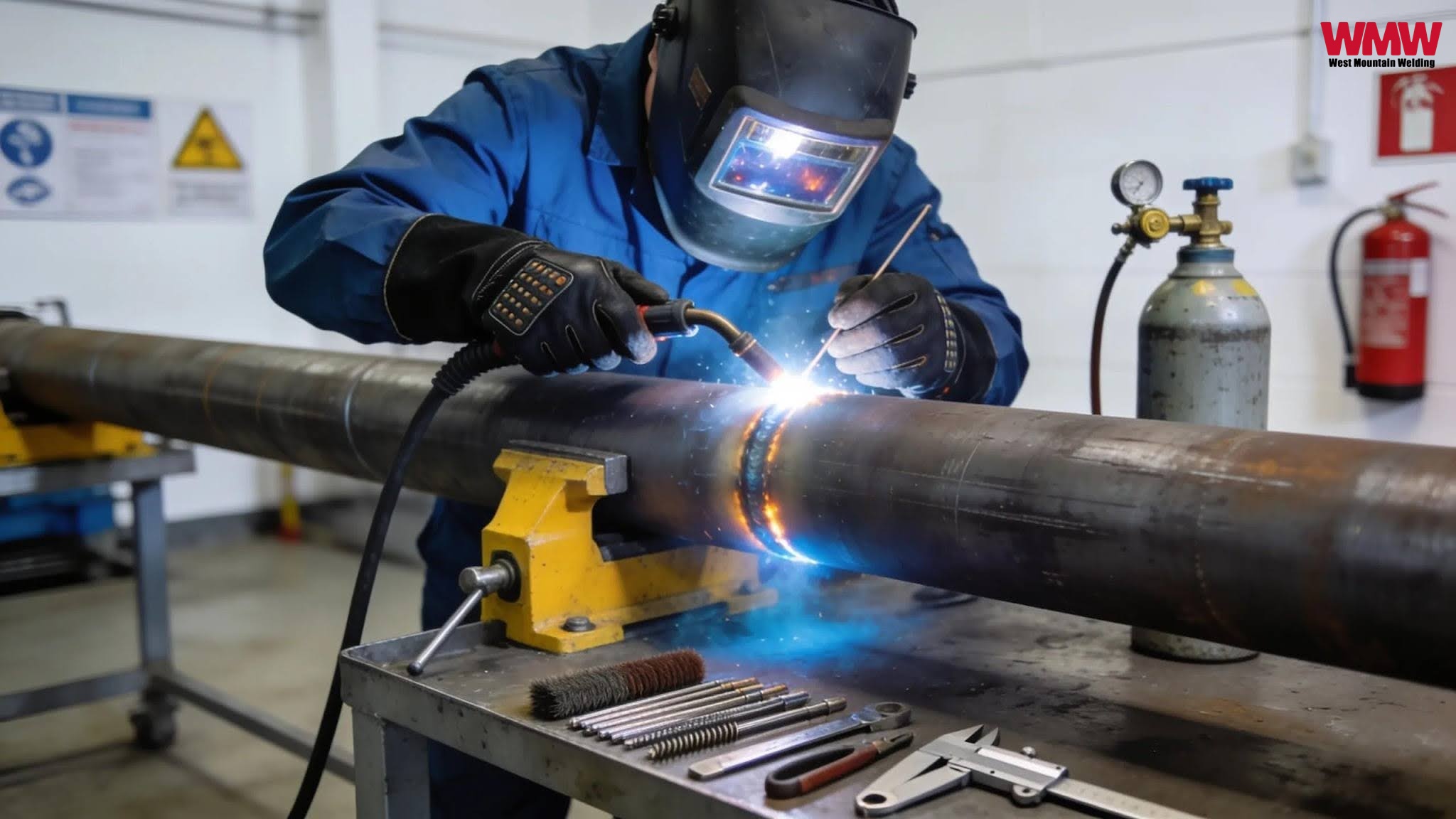
Proven GTAW Root Pass Techniques for Oil and Gas Projects
Proven GTAW Root Pass Techniques for Oil and Gas Pipeline Welding: 9 Field-Tested StepsGTAW root pass techniques for oil and gas pipelines involve thorough joint preparation, precise amperage and gas flow settings (typically 100-150 amps and 15-20 CFH for common pipe sizes), a steady travel speed of 2-3 inches per minute, and a consistent torch angle to achieve full penetration without burn-through. Success depends on proper equipment setup and disciplined technique, and is verified by visual, ultrasonic, or radiographic inspection.
Key Takeaways
GTAW welding produces the cleanest, most controlled root passes for oil and gas pipe welding applications
Proper joint preparation and pre-cleaning prevent the majority of root pass defects before the arc is even struck
Dialing in amperage, gas flow rate, and travel speed is critical to consistent penetration and bead profile
Visual, ultrasonic, and radiographic inspection methods catch defects like porosity, undercutting, and incomplete fusion early
A documented welding root pass procedure (WPS) ensures repeatability, compliance, and audit-readiness
Tungsten electrode selection and shielding gas purity directly affect weld quality and code compliance
Consistent technique, travel speed, arc length, and torch angle separate a passing root from a costly repair
Gas Tungsten Arc Welding (GTAW), commonly known as TIG welding, remains the gold standard for root pass welding on oil and gas pipelines. Its precise heat control, clean arc characteristics, and minimal spatter make GTAW pipe welding the preferred choice for critical infrastructure where weld integrity directly impacts safety and longevity.
This guide breaks down proven GTAW root pass techniques into actionable steps, covering preparation, parameter optimization, execution, and inspection. Whether you're refining your TIG root pass procedure or training new welders, these field-tested methods support code-compliant, durable pipe welds.
Why GTAW Is the Preferred Root Pass Method for Pipe Welding
GTAW pipe welding uses a non-consumable tungsten electrode shielded by inert gas (typically argon) to create a stable, low-spatter arc. This control is why GTAW, also called TIG welding, remains the industry standard for root passes on critical pipelines, pressure vessels, and process piping.
Compared to other welding root pass procedures like SMAW (stick) or GMAW (MIG), GTAW offers superior control over heat input and puddle manipulation. This precision reduces the likelihood of common defects such as porosity, slag inclusion, and incomplete fusion, issues that are far more costly to fix once subsequent passes are laid over a flawed root.
For pipelines carrying hazardous materials under pressure, the root pass is the foundation of the entire weld's integrity. A clean, fully fused TIG root pass sets up every following pass for success.
1. Inspect and Prepare the Joint Thoroughly
Every reliable GTAW root pass technique starts before the arc is struck. Joint preparation includes:
Bevel inspection: Confirm bevel angles, land thickness, and root gap match the welding procedure specification (WPS)
Pre-cleaning: Remove mill scale, oil, grease, paint, and oxidation using mechanical methods (grinding, wire brushing with stainless brushes for stainless steel) and approved solvents
Fit-up verification: Check alignment and gap consistency around the entire pipe circumference
Tack weld placement: Place tacks at proper intervals, ensuring they're clean and free of defects, since they become part of the final weld
Skipping or rushing pre-cleaning is one of the most common causes of porosity and contamination-related defects in TIG root pass work.
2. Select the Correct Tungsten Electrode and Filler Material
Electrode selection affects arc stability, tungsten consumption, and weld quality:
2% thoriated tungsten remains common for carbon and stainless steel pipe welding, offering good arc starts and current-carrying capacity
Ceriated or lanthanated tungsten is an increasingly favored alternatives for general-purpose GTAW pipe welding
Electrode diameter should match amperage range, typically 1/16" to 3/32" for root pass work on standard pipe wall thicknesses
Filler rod selection must match the base metal chemistry per the WPS; mismatched filler is a common cause of cracking and rejected welds
Grinding tungsten to a proper point (typically a 30-60 degree included angle) also affects arc cone shape and penetration profile.
3. Set Up and Calibrate Your GTAW Equipment
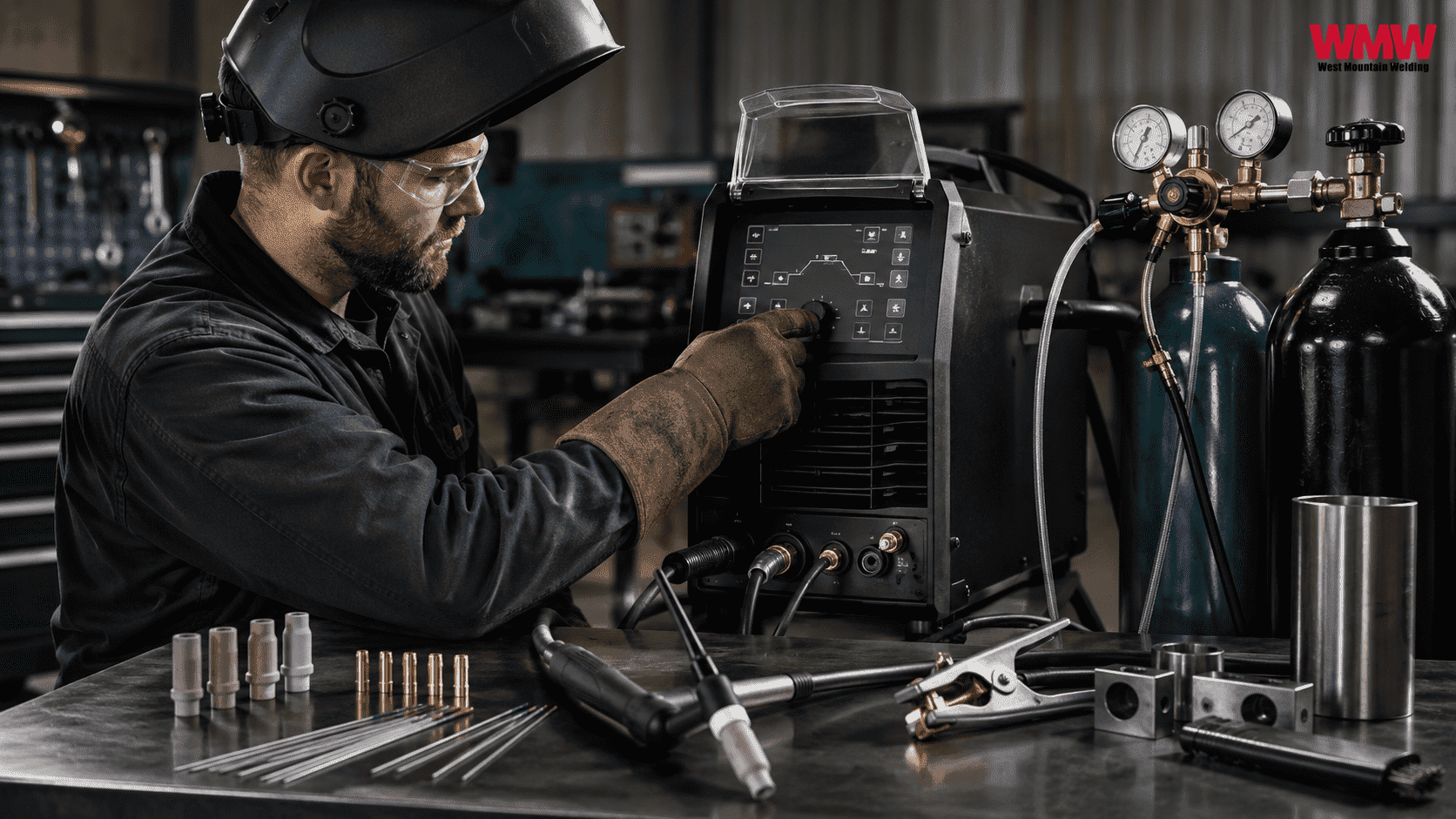
Before striking an arc, confirm your machine settings align with material thickness and joint design:
Amperage: 100–150 amps
Controls penetration depth and puddle size.
Gas Flow Rate: 15–20 CFH
Shields the molten weld pool from atmospheric contamination.
Travel Speed: 2–3 inches per minute
Maintains consistent bead width and penetration.
Tungsten Diameter: 1/16"–3/32"
Affects arc focus and current-carrying capacity.
These figures are starting points; actual settings vary based on pipe diameter, wall thickness, joint design, and welding position (5G, 6G, etc.). Always verify against your project's qualified welding root pass procedure.
4. Establish Proper Shielding Gas Coverage
Argon is the standard shielding gas for GTAW pipe welding due to its inert properties and stable arc characteristics. Beyond torch-side shielding gas:
Purge gas (often argon or argon-nitrogen blends) is critical inside the pipe to prevent oxidation on the backside of the root pass, especially for stainless steel and exotic alloys
Purge monitoring using oxygen analyzers ensures oxygen levels drop below specified thresholds (often under 50 ppm for critical stainless applications) before welding begins
Gas lens setups improve shielding coverage and allow for greater electrode stick-out, useful in tight pipeline joint configurations
Inadequate purging is a leading cause of "sugaring" oxidation discoloration on the weld's interior surface that can lead to rejection on stainless and high-alloy pipe.
5. Maintain Consistent Arc Length and Torch Angle
Arc length directly influences heat concentration and bead profile. For GTAW root pass work:
Keep arc length short and consistent, typically 1/8" or less, to maximize penetration control
Maintain a torch angle of roughly 5-15 degrees from vertical, adjusted for joint access and position
Use a slight oscillation or "walking the cup" technique for open-root joints to manage puddle width and fusion at both sidewalls
Inconsistent arc length is one of the most common sources of variable penetration along a root pass, leading to high-low spots that complicate the hot pass.
6. Control Travel Speed for Consistent Penetration
Travel speed and amperage work together to determine penetration depth:
Too slow a travel speed with high amperage risks burn-through, especially on thin-wall pipe
Too fast a travel speed can cause incomplete fusion or a "cold" root with insufficient penetration
A steady 2-3 inches per minute is a common starting range, but pipe diameter and wall schedule will shift this
Watching the leading edge of the puddle rather than the trailing bead helps welders maintain a consistent travel speed and respond to changes in fit-up or heat-sink effects around the pipe.
7. Manage Filler Metal Addition Technique
For open-root TIG pipe welding, filler addition technique matters as much as torch movement:
Dip filler into the leading edge of the puddle in a smooth, rhythmic motion
Avoid dipping filler into the arc itself, which can contaminate the tungsten and cause inclusions
Match filler addition rate to travel speed to maintain consistent reinforcement and avoid "humping" or excessive buildup
For closed-root or pulsed GTAW applications, filler technique adjusts accordingly, but the principle of smooth, consistent additions remains constant.
8. Conduct Post-Weld Visual Inspection Before Proceeding
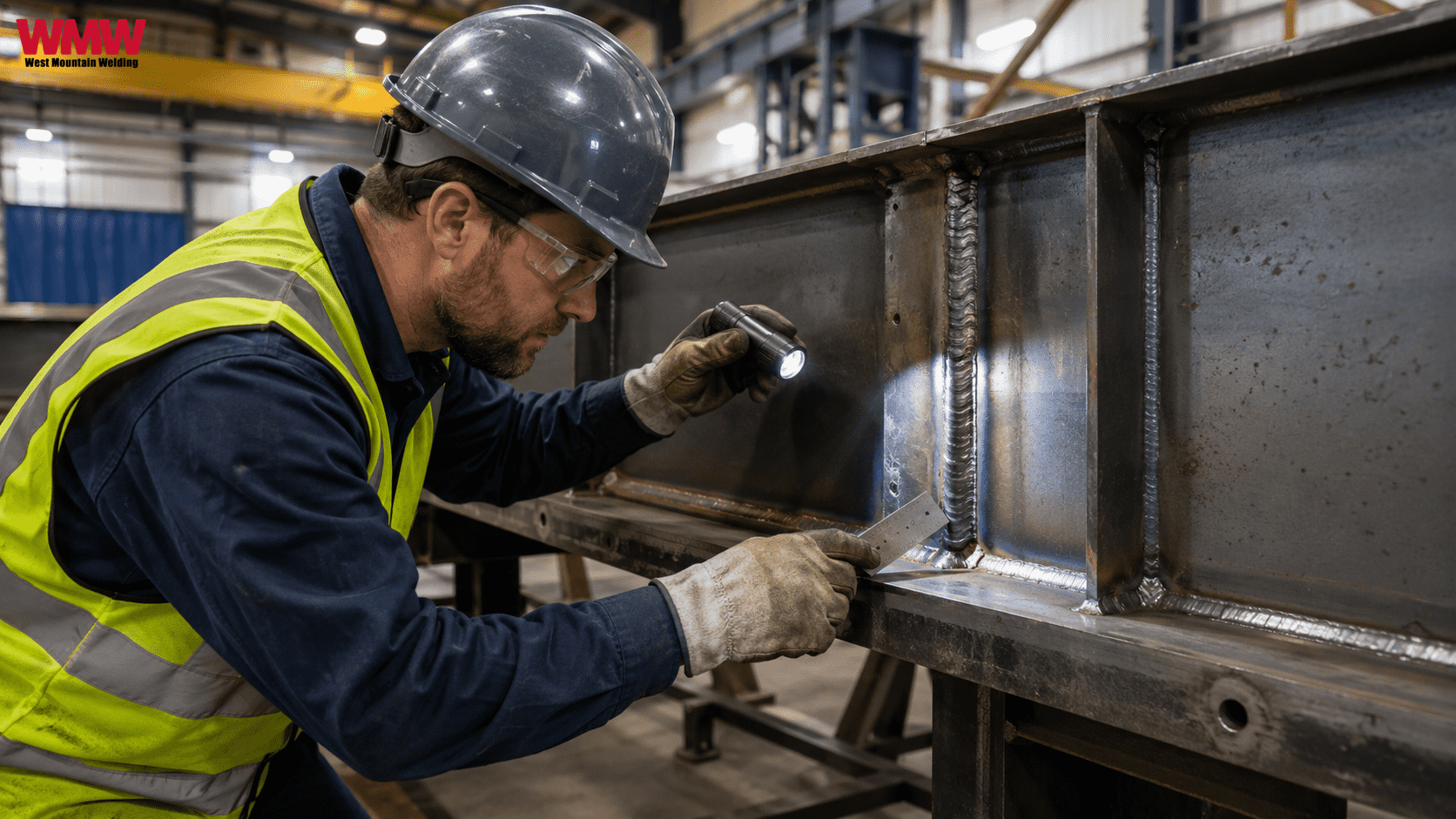
Before laying the hot pass, inspect the root for:
Visual inspection (VT): Check for surface porosity, undercut, concavity/convexity within tolerance, and consistent bead appearance
Penetration check: Confirm full penetration with appropriate root reinforcement (typically 1/16" to 1/8" for most pipe specs)
Surface contamination: Look for discoloration indicating inadequate purge gas coverage
Catching root pass defects at this stage before subsequent passes bury the issue is far less costly than discovering problems during final radiographic testing.
9. Apply Non-Destructive Testing for Final Verification
Once all passes are complete, non-destructive testing (NDT) confirms weld integrity:
Ultrasonic Testing (UT): Detects internal flaws like lack of fusion, slag, and porosity not visible on the surface
Radiographic Testing (RT): X-ray imaging reveals internal defects throughout the weld cross-section, commonly required for critical pipeline welds
Magnetic Particle Testing (MT): Used on ferromagnetic materials to detect surface and near-surface cracking
The specific NDT methods and acceptance criteria required depend on the project's code (such as API 1104 or ASME Section IX) and the welding root pass procedure specified for the job.
Common GTAW Root Pass Defects and How to Prevent Them
Porosity
Common Cause: Contamination or inadequate shielding gas.
Prevention: Perform thorough pre-cleaning and use the correct shielding gas flow rate.
Undercutting
Common Cause: Excessive heat input or improper travel speed.
Prevention: Optimize amperage and maintain a steady travel speed.
Incomplete Fusion
Common Cause: Insufficient heat input or poor arc manipulation.
Prevention: Maintain a consistent arc length, ensure proper joint preparation, and use the correct amperage.
Burn-Through
Common Cause: Excessive heat for the material thickness.
Prevention: Reduce amperage or increase travel speed.
Sugaring/Oxidation
Common Cause: Inadequate backside purging.
Prevention: Verify purge gas coverage using an oxygen analyzer
The Role of Welding Procedure Specifications (WPS) in GTAW Pipe Welding
A Welding Procedure Specification is a controlled document that defines exactly how a weld must be performed, including joint design, filler material, preheat/interpass temperatures, electrical characteristics, gas type and flow, and technique. Following a qualified WPS for every GTAW root pass:
Ensures repeatable results across welders and shifts
Provides an auditable record for quality assurance and code compliance
Reduces variability that leads to inspection failures
Pairing a solid WPS with detailed weld documentation, material certifications, welder qualifications, and inspection records supports traceability and protects against liability in the event of in-service failure.
Conclusion
Mastering GTAW root pass techniques requires combining proper preparation, calibrated equipment settings, consistent technique, and rigorous inspection. From tungsten selection to purge gas verification, every step contributes to a root pass that supports the integrity of the entire pipeline weld.
At West Mountain Welding, these proven procedures guide every project, delivering code-compliant, durable GTAW pipe welding results you can rely on.
Frequently Asked Questions
1. What amperage should I use for a GTAW root pass on pipe?
Most root passes on standard wall pipe run between 100-150 amps, but always verify against your WPS for specific material and thickness.
2. What's the best tungsten electrode for GTAW pipe welding?
2% thoriated, ceriated, or lanthanated tungsten in 1/16" to 3/32" diameters are common choices for root pass work.
3. Why is backside purging important in TIG root pass welding?
Purging prevents oxidation ("sugaring") on the weld's interior, which can cause rejection on stainless and alloy pipe.
4. What causes incomplete fusion in a GTAW root pass?
Insufficient heat input, inconsistent arc length, or poor joint preparation are the most common causes.
5. Which inspection methods verify GTAW root pass quality?
Visual inspection, ultrasonic testing (UT), and radiographic testing (RT) are standard methods for verifying root pass integrity.