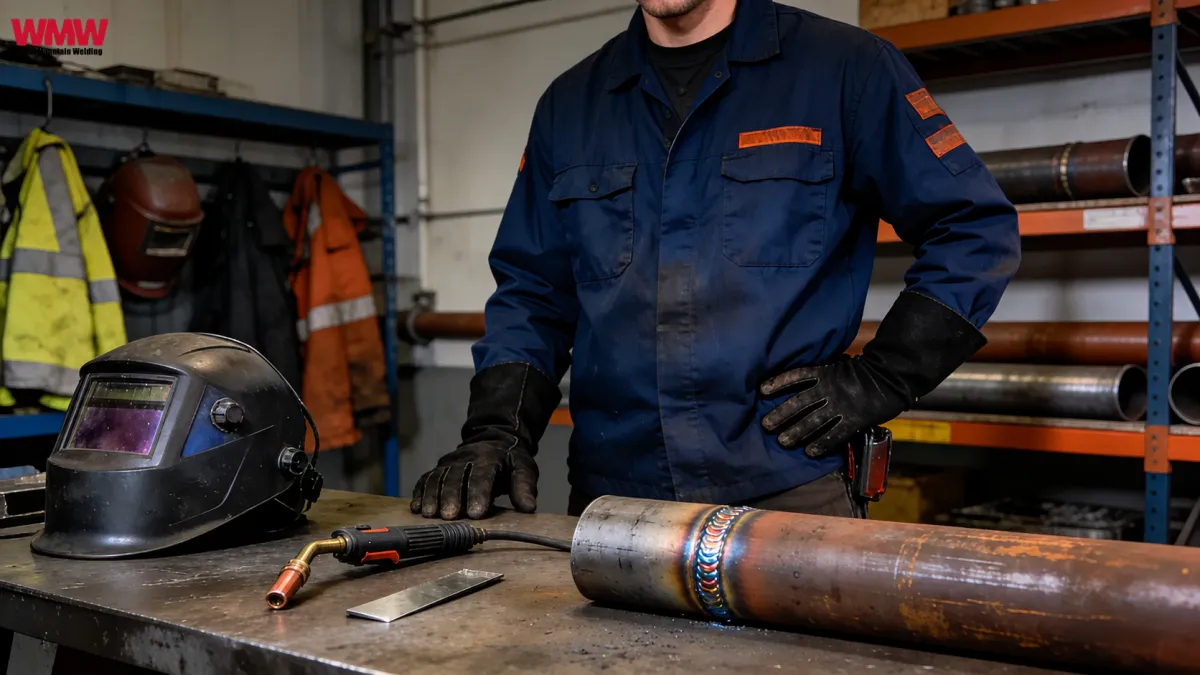
How to Choose the Right Oil & Gas Pipe Welding Contractor in Utah
Choosing the right oil and gas pipe welding contractor Utah operators can rely on comes down to five checks: verified code certifications, documented field experience, mobile response capability, prefabrication capacity, and a quality control process you can see on paper before a single weld goes into the ground. Work through those five checks in order, and most of the risk that derails Utah wellhead and pipeline projects disappears before a contract is signed.
Key Takeaways
Certification comes first. Confirm API 1104, ASME B31.1, ASME B31.3, and AWS D1.2 qualifications before reviewing anything else.
Field experience separates contractors. Look for crews with documented history on Utah wellheads, rigs, and remote pipeline routes, not just shop work.
Response time matters in the Uintah Basin. A rig down at 2 a.m. needs a contractor who answers, not one who returns calls Monday.
Prefabrication cuts field hours. Shop-welded, labeled spools reduce onsite time on phased and multi-state builds.
Documentation protects the project. Written welding procedure specifications and welder qualification records should be available before mobilization.
Step 1: Gather Your Site Documents Before You Request a Quote
Preparation determines if a Utah pipeline or wellhead project stays on schedule. An incomplete package slows down every contractor's ability to scope the job accurately, and that delay compounds once equipment and crews are involved.
Before contacting an industrial pipe welding contractor in Utah, recommend assembling the following:
Current drawings, isometrics, and material specifications for the piping system.
Site access notes, since much of Utah's oil and gas infrastructure sits on remote, rugged terrain that complicates equipment delivery and crew staging.
Scope details identifying if the work involves wellheads, casing strings, or high-temperature piping, since field experience with each varies by contractor.
Project location, whether the site is a processing plant, distribution point, or remote pad.
Sending a complete package upfront is how an oil and gas pipe welding contractor in Utah operators trust returns an accurate quote and a defined timeline instead of a rough estimate.
Step 2: Verify Certifications Before Anything Else
Code compliance is the line between a qualified contractor and a crew that guesses at pressure ratings. Wellhead connections, casing strings, and plant piping carry real consequences if a weld fails under load, so documentation has to come before site access, not after.
Ask any prospective contractor to produce written welding procedure specifications and welder qualification records covering:
ASME B31.1 for power and process piping
ASME B31.3 for process piping in refining and chemical service
API 1104 for pipeline welding
AWS D1.2 for structural aluminum, common on substation and support work
Certified pipe welders in Utah should have these records ready for review before mobilization, not produced after a weld is already installed.
Why does certification matter for rig and wellhead work?
Pressure and structural welds on drilling rigs and wells carry no margin for error. Paired with documented procedures, certified welders protect against failures that shut down production or trigger expensive rework. Vetting credentials upfront costs far less than an emergency repair after a leak.
Step 3: Check Regional Field Experience, Not Just Paperwork
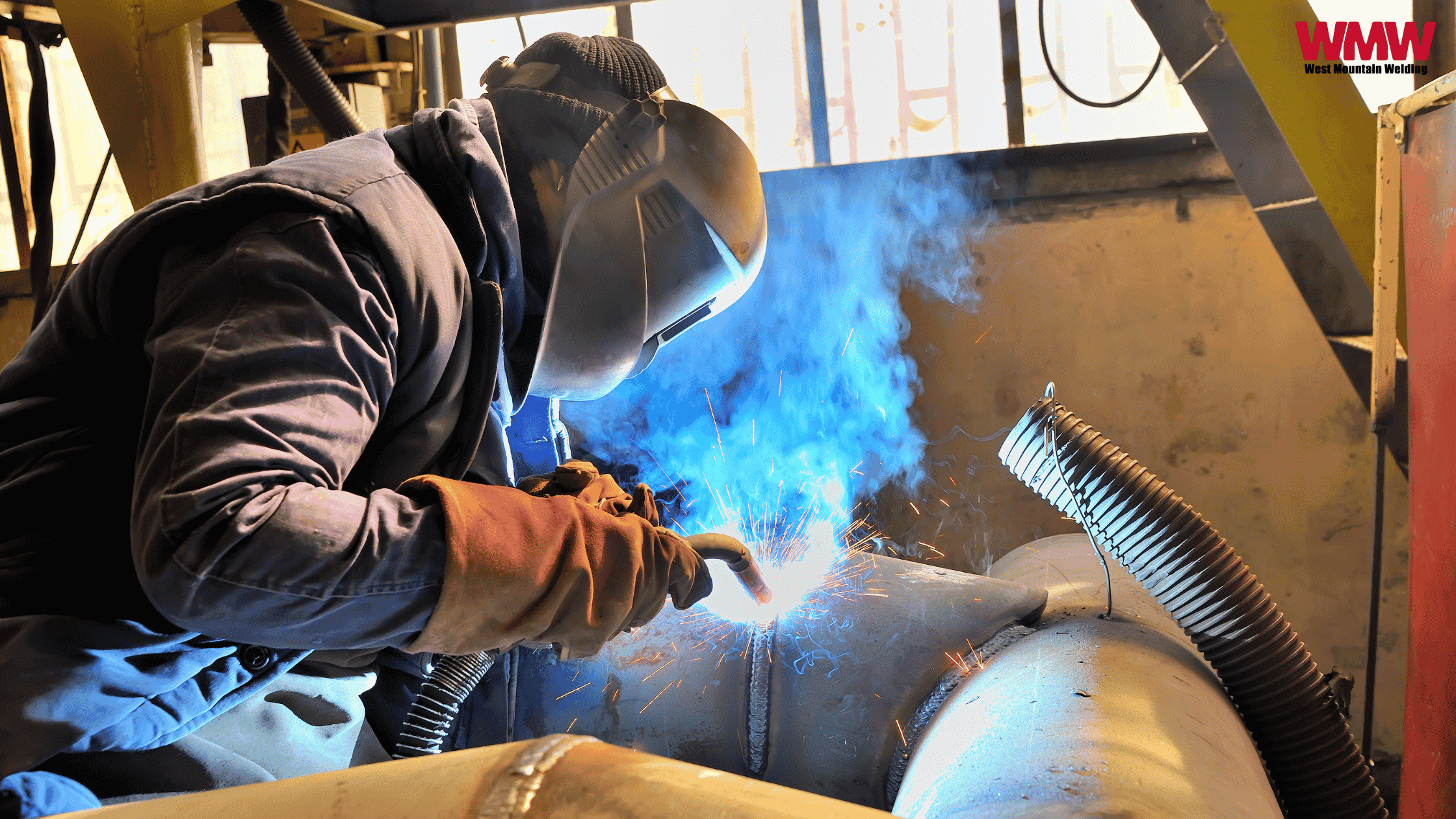
Certifications set the floor. Field experience raises the ceiling. Contractors with hands-on exposure to Utah's terrain, weather, and infrastructure adapt faster on remote pads and during tight plant shutdowns than crews working outside their usual territory.
A practical way to check this:
Ask for references from prior remote or wellhead projects, not just shop jobs.
Confirm experience spanning multiple states, since a contractor who has only worked local plant floors may not be ready for backcountry pipeline routes.
Ask how long the company has operated in Utah's oil and gas sector specifically.
Leadership teams built on decades of combined experience across oil and gas market segments bring pattern recognition that newer crews lack, spotting problems before they become downtime.
Step 4: Confirm Field Response and Equipment Readiness
An oil and gas welding services Utah provider should demonstrate coverage that doesn't stop at business hours. Some Utah welding companies offer round-the-clock field service every day of the year, and that coverage matters when a drilling rig goes down overnight and every idle hour costs production.
Ask directly if coverage extends to nights, weekends, and holidays, or only standard shifts. Then check equipment readiness:
Mobile service trucks equipped for remote rig and well repairs
Tools, consumables, and power sources onboard for casing string and high-temperature piping repairs without a return trip
A dispatch process that doesn't depend on business-hours staffing
Contractors that fall short on reliable, on-time performance leave operators exposed to schedule slips and cost overruns they never budgeted for.
Step 5: Decide Between Shop Fabrication and Field Welding
Project conditions decide this, not preference. Wellhead tie-ins, remote pad locations, and tight plant shutdown windows each call for a different approach. A contractor worth hiring weighs schedule risk, site access, and code requirements before recommending shop work, field crews, or a blend of both.
Shop Fabrication vs. Field Welding
Best For
Shop Fabrication: Ideal for phased projects, multi-state construction, and jobs requiring consistent quality and precision.
Field Welding: Best for on-site modifications, tie-ins, and situations where adjustments are needed during installation.
On-Site Time
Shop Fabrication: Reduces installation time because most fabrication is completed before delivery.
Field Welding: Requires more time on-site since fabrication and welding are performed during installation.
Flexibility
Shop Fabrication: Components are built according to approved drawings, offering limited flexibility once fabricated.
Field Welding: Allows real-time adjustments to accommodate site conditions, design changes, or unexpected challenges.
Certified prefabricated piping, welded and labeled before it reaches the site, cuts down the hours crews spend cutting and fitting in the field. Spool drawings stay clear, tolerances stay tight, and installation moves faster because the guesswork happens in the shop instead of on the rig pad.
Field welding earns its place when geometry shifts on-site or when equipment can't be shut down long enough to swap in prefabricated runs. Utah's oil and gas construction scope covers both ends of that spectrum, and the strongest contractors move between the two without losing schedule.
Step 6: Watch for the Mistakes That Sink Utah Pipe Welding Projects
Four recurring errors derail piping projects across Utah's wellheads, pipelines, and plants, and each one compounds the others:
Ignoring downtime costs. Non-productive time costs more in remote Utah fields than almost anywhere else. Mobilization delays stack on top of lost production, and small scheduling gaps snowball into missed completion dates.
Hiring unreliable crews. Remote, high-stakes environments punish inconsistency fast.
Skipping code verification. Failing to confirm certifications on pressure piping and structural components risks failed inspections across energy, transportation, water, and utility infrastructure.
Tolerating loose quality control. Weak QC processes invite the delays and rejected welds that a disciplined contractor would catch early.
Selecting certified pipe welders Utah projects can rely on, paired with field-first practicality and tight QC, keeps piping clean, code-compliant, and ready to install the first time.
Where West Mountain Welding Fits
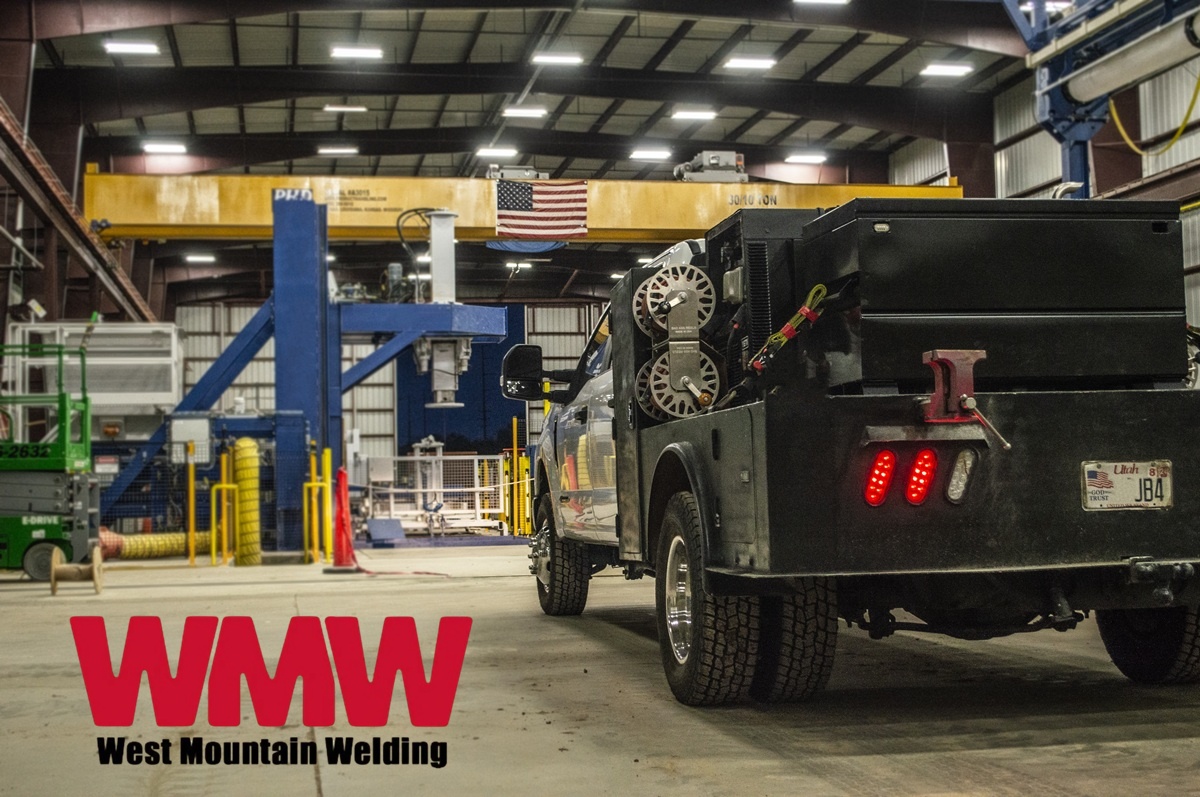
West Mountain Welding, based in Payson, UT, delivers API 1104-compliant welding and prefabricated piping for wellhead and pipeline installations across the state. The team prioritizes documented procedures, regional field experience, and prefabrication capability suited to phased, multi-state builds. Facility managers vetting an oil and gas pipe-welding contractor for Utah projects can verify certifications and project history directly before committing to a schedule.
Frequently Asked Questions
What documents should you gather before hiring a welding contractor?
Current drawings, isometrics, material specifications, and site access notes, since remote Utah terrain affects equipment delivery and crew staging.
Why does certification matter when choosing a contractor?
It separates qualified crews from ones guessing at pressure ratings. Request API 1104, ASME B31.1, ASME B31.3, and AWS D1.2 records before mobilization.
Does terrain affect pipe welding jobs in Utah?
Yes. Remote terrain changes crew logistics, equipment needs, and timelines, and backcountry routes require mobile crews equipped for field conditions.
How do I know if a contractor offers real 24/7 field response?
Ask directly if coverage extends to nights, weekends, and holidays, and request how dispatch works outside standard business hours.
Should I choose shop fabrication or field welding?
It depends on the project. Shop fabrication suits phased, predictable builds; field welding suits on-site changes and tie-ins where conditions shift.