Hot Tap vs. Cold Tap: Which Option Fits Your Pipeline Project?
Hot tap vs. cold tap comes down to one question: can the line leave service? A hot tap cuts a new branch into a live, pressurized pipeline without stopping flow. A cold tap does the same work on a line that has been isolated and depressurized first. Choose hot when downtime costs more than the added procedural rigor.
Key Takeaways
A hot tap connects to a live line; a cold tap requires isolation and depressurization first.
Hot tapping usually wins when outage costs, lost throughput, or service disruption outweigh the added engineering and welding controls.
Hot tap risk centers on burn-through and hydrogen cracking, so qualified procedures matter more than the machine.
Cold tapping fits planned outages, thin or damaged pipe, and conditions that rule out live welding.
The Difference Between Hot Tap and Cold Tap in Practice
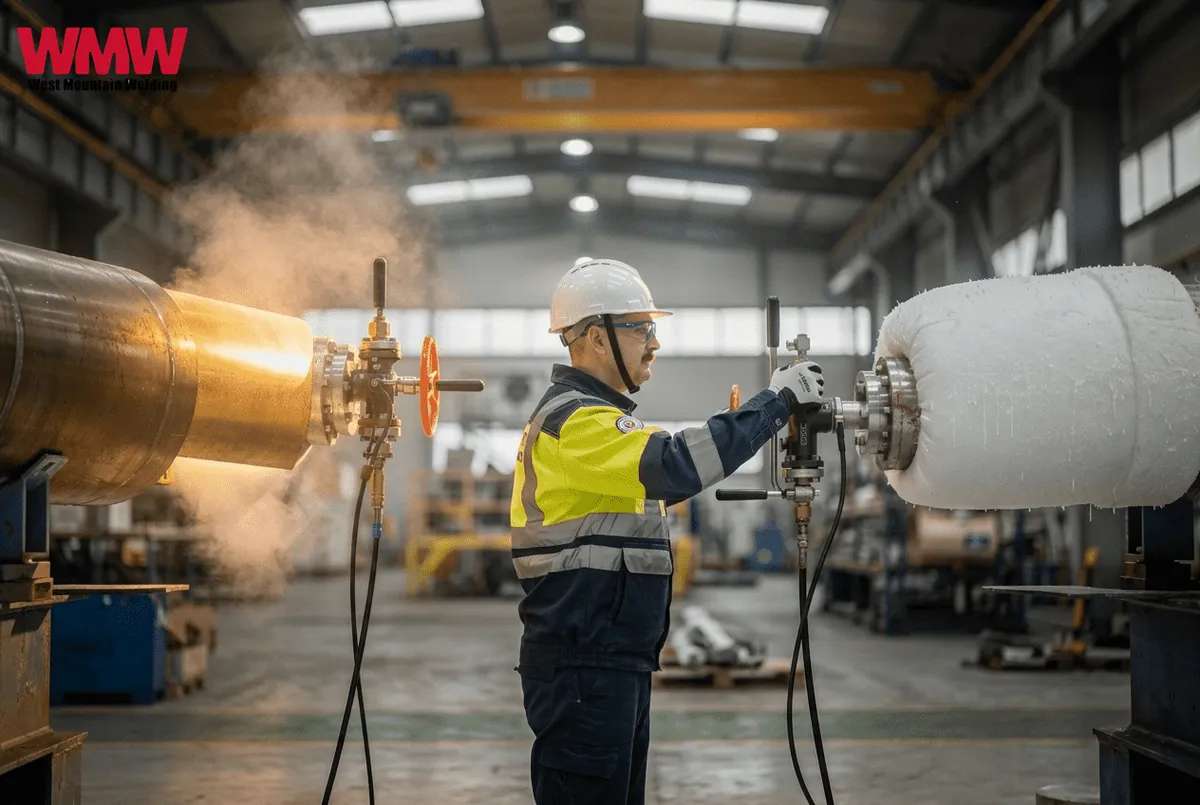
The difference between hot tap and cold tap is pressure status at the moment of cutting. In a hot tap, the pipeline stays full, pressurized, and usually flowing while a tapping machine cuts through the pipe wall inside a sealed, valved fitting. In a cold tap, the segment is isolated, drained or vented, and purged before any cutting or welding begins.
The equipment and sequence look similar on paper. A cold tap still uses a fitting, a valve, and a cutter. What changes is the risk profile. On a dead line, the crew works without internal pressure, product release, or a process fluid near the weld. On a live line, every step depends on controlled welding, a pressure-tested fitting, and a valve that holds.
That is why hot tapping vs. cold tapping is not a contest between an advanced method and a basic one. It depends on what the system can afford. Operators who assume every modification needs a shutdown often pay for an outage the work never required.
Hot Tie vs. Cold Tie Describes the Whole Connection
The hot tie vs. cold tie distinction is broader than the cutting step. A tie-in is the complete connection of new piping to an existing system. A hot tie-in is made while the existing line stays in service, and the hot tap is the cutting operation inside it. A cold tie-in isolates the line, removes a section, and welds in a tee or spool piece, a method many engineers call a cold tee.
Project specs also use "live tap," "pressure tap," and "wet tap" for hot tapping. Those terms describe identical work. We treat any spec that says only "tie-in" without a line status as an open question and ask for the condition in writing before pricing.
How a Hot Tap Works on a Live Line
Every hot tap follows the same core sequence. The crew installs a full-encirclement split tee or weld-on branch fitting on the parent pipe. The crew bolts a full-bore isolation valve to the fitting, and pressure-tests the assembly before anything cuts.
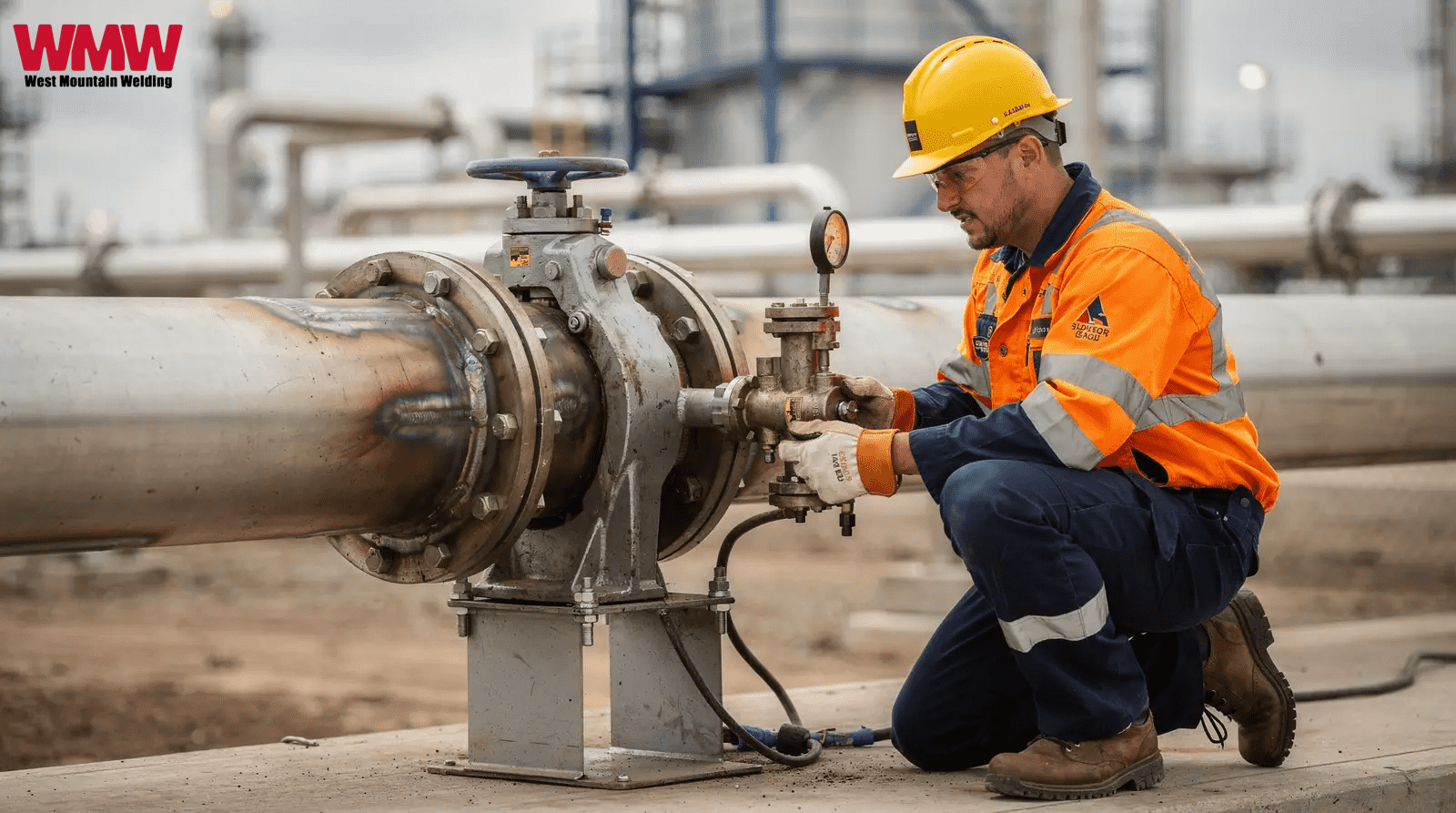
The tapping machine mounts on the valve and drives a cutter through the open valve into the pipe wall. The cutter retains the coupon and retracts, the valve closes, and the machine comes off. The new branch is then connected and purged before the valve opens.
Two details separate clean taps from problem taps. Coupon retention matters, because a loose coupon travels downstream with the product. The downstream side also deserves a review before cutting, since cuttings can foul strainers, meters, or instrumentation. Both belong in the written procedure.
Burn-Through and Hydrogen Cracking Drive Hot Tap Risk
Welding a branch fitting onto a live line creates a tension that cold work never faces. To avoid burn-through, heat input must stay low. To avoid hydrogen cracking, the weld needs to cool slowly. Flowing product pulls heat away, which speeds cooling, hardens the heat-affected zone, and raises cracking risk. TWI calls this one of the most counter-intuitive parts of in-service welding, because the two failure modes demand opposite adjustments.
Flow rate affects both sides of that tension. API RP 577 reportedly recommends a minimum flow of about 1.3 feet per second in lines being hot tapped, which limits overheating of the product. Water cools welds quickly, so cracking is the main concern on municipal and process water lines. Low-flow gas lines cool less, which shifts attention toward burn-through.
Three controls carry most of the weight in practice:
Ultrasonic wall thickness verification at the exact weld location
Low-hydrogen electrodes with controlled heat input
A welding procedure qualified for the flow conditions of the actual line
API RP 2201 and API 1104 Appendix B govern this work. Procedure and welder qualifications should be in hand before any live cut is authorized.
When Cold Tapping Is the Better Call
Cold tapping fits best when downtime is already planned, or live-work conditions are unfavorable. Shutdowns and turnarounds are the clearest case. The line is coming down anyway, and a cold tie gives the crew full control over cutting, fit-up, and weld quality. Large modifications also favor a cold tie, since a major reroute rarely fits through a single tapped opening.
The line itself can rule out live work. Corroded or thinned pipe, products that can decompose under weld heat, flow too low to cool the weld zone, and congested sites all push the decision toward isolation. TWI lists unstable decomposition of flowing product as a hot tap hazard alongside burn-through and cracking.
Cold work earns its cost when shop preparation compresses the outage. Spools fabricated to tight tolerance and labeled to the isolation drawings arrive ready to install. The outage clock starts when the line is isolated, so every hour of fit-up solved in the shop returns to operations.
What Downtime Costs Compared with a Hot Tap
The best public cost data on hot tap vs. cold tap work comes from gas transmission, and it is lopsided. In an Oil & Gas Journal article, TransCanada engineers estimated total hot tap cost at roughly 60 to 80 percent below a cold tee. They reported that lost transportation revenue during a cold connection normally exceeds direct hot tap costs by an order of magnitude or more, with avoided revenue losses of C$1 million or more per tap.
The EPA Natural Gas STAR guidance on hot taps adds the environmental side: live connections avoid venting gas and the service interruptions that come with removing a segment from service.
The logic carries to other systems. On water and municipal mains, downtime means customer outages plus flushing and restoration steps. In process facilities, it means lost production. The hot tap premium pays for specialized equipment, qualified procedures, and added inspection.
When avoided outage cost exceeds that premium, hot tap wins. When a shutdown is already on the calendar, the premium buys nothing, and a cold tie is the economical choice. That is the first question we ask when scoping a tie-in.
Different Pipe Tapping Methods Used Alongside These Two
Hot and cold tapping sit inside a wider family of different pipe tapping methods. Line stopping, also called stoppling, places a plug through a second tap to block flow in one section so work can proceed without a full shutdown. Valve insertion installs a new isolation valve into a live line. Tapping sleeves and tapping tees are common fittings on water and municipal mains.
These methods often work together. A hot tap can install the valve that later allows a line stop, and a line stop can create a dead section where cold work becomes practical.
Hot Tap vs. Cold Tap Decision Factors at a Glance
If the line cannot be isolated, the decision is made. If isolation is possible, compare outage cost against the live-work premium, then check pipe condition.
What to Confirm Before Mobilizing a Crew
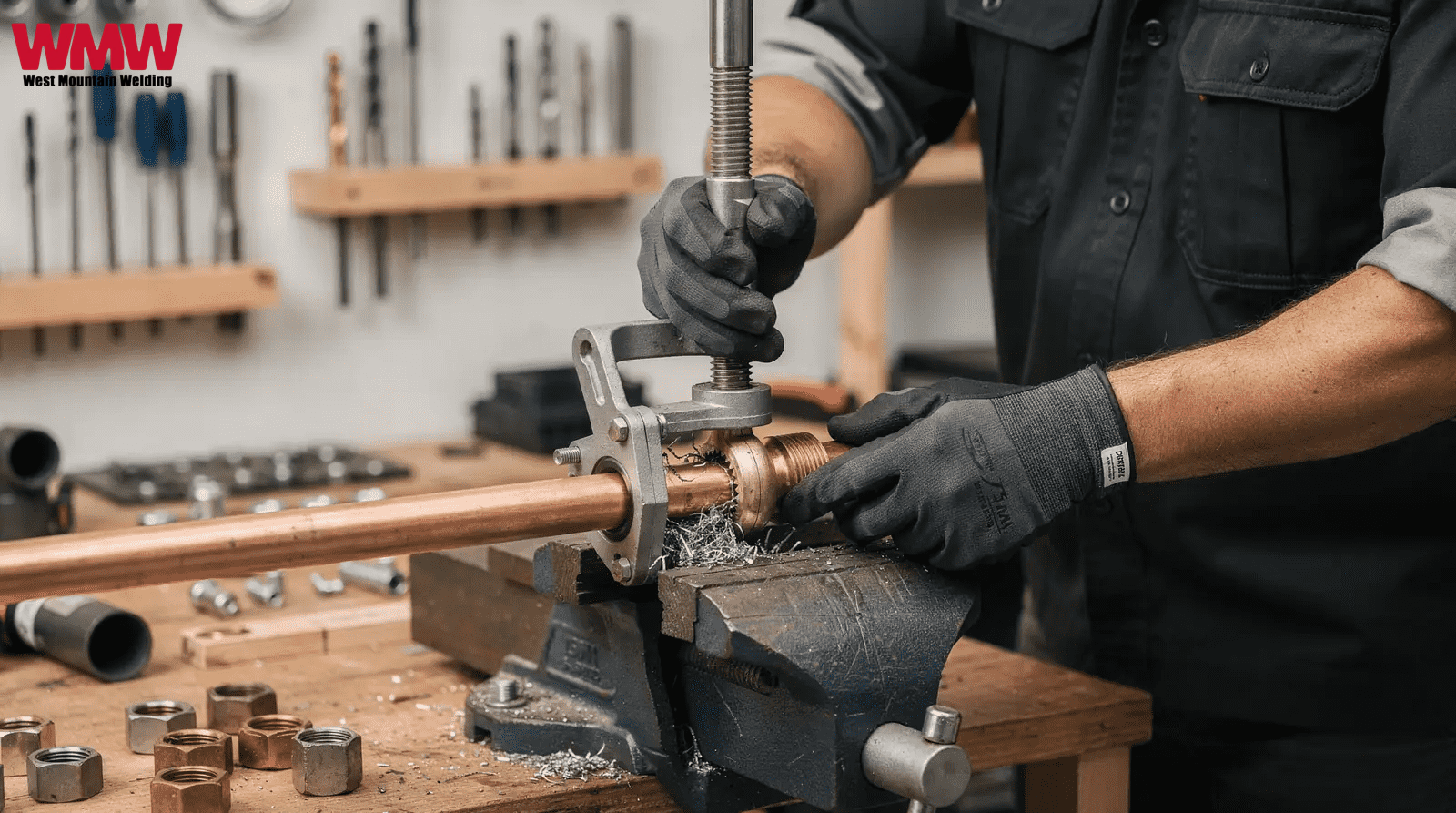
Before committing to either method, EPC teams and facility operators should settle five points:
Pipe material, wall thickness at the weld location, and any corrosion or prior repairs
Operating pressure, temperature, product, and actual flow rate
Fitting and valve ratings, plus clear space for the machine and operators
Welding procedures and welder qualifications to ASME B31.1/B31.3, API 1104, and AWS D1.2 as applicable
Outage window, downstream sensitivities, and an emergency response plan
Owners and EPC contractors should expect procedures, qualifications, and inspection records before a live cut is approved.
How West Mountain Welding Handles Both Methods
West Mountain Welding executes hot and cold tie-ins to ASME B31.1/B31.3 and API 1104, with procedures and welder qualifications available on request. Shop fabrication and mobile field crews work as one system, so spools arrive labeled and tight-tolerance while field crews handle installation, repairs, shutdowns, and emergency response. That structure serves power generation, substations, oil and gas, water and process systems, and manufacturing.
Conclusion
A hot tap vs. cold tap decision should rest on outage cost, pipe condition, and product behavior under weld heat, not on habit. Live work protects throughput when downtime is expensive. Isolation gives control when a shutdown is already planned. Either path demands qualified welders, documented procedures, and disciplined quality control.
FAQ
What is the difference between hot tap and cold tap?
A hot tap creates a branch connection on a live, pressurized pipeline without stopping flow. A cold tap makes the same connection after the line is isolated and depressurized.
Is hot tapping safer than cold tapping? Neither is universally safer.
A cold tap removes pressurized-line hazards, while a hot tap is controlled through qualified welding procedures, wall verification, and a tested valve.
What is the difference between a hot tie and a cold tie?
A hot tie-in connects new piping to an existing line while it stays in service. A cold tie-in isolates the line first, then welds the new connection into a dead system.
Is hot tapping cheaper than a cold tie-in?
Hot tapping usually costs less once outage losses are counted. TransCanada estimated total hot tap cost at 60 to 80 percent below a cold tee, though that figure reflects gas transmission.
What are the different pipe tapping methods?
The main methods are hot tapping, cold tapping, line stopping, and valve insertion. Tapping sleeves and tees are common fittings for water and municipal mains.